
Symptoms
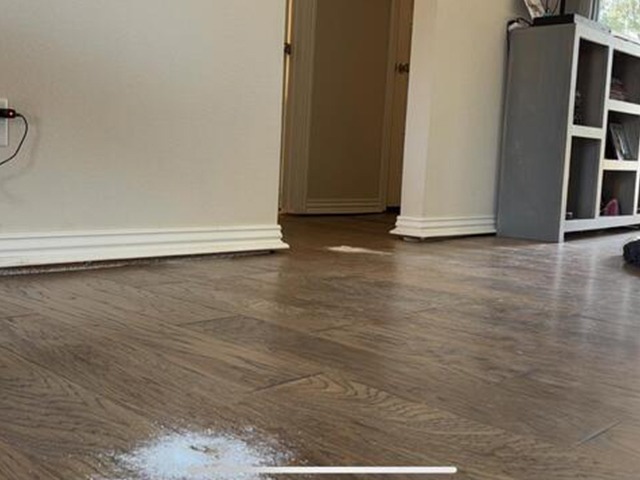
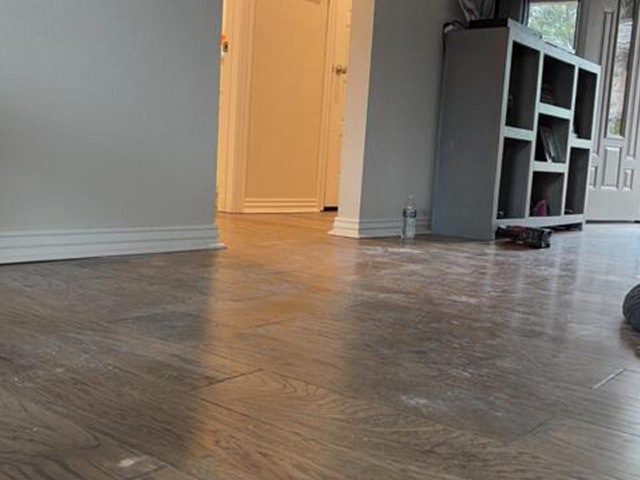
Signs You Shouldn't Ignore
A leaning chimney is more than just a cosmetic issue. It typically points to movement in the foundation supporting it. As the chimney shifts, you may notice gaps where it meets the house, cracked mortar or a visible lean. Without repair, these problems can allow water and pests into your home, loosen bricks and, in some cases, pose safety concerns if the chimney flue is damaged.


Causes
What Causes a Chimney to Lean?
A leaning chimney is generally the result of chimney foundation settlement, where the footing beneath the chimney shifts separately from the home's foundation. Because most masonry chimneys are built on their own footing, they can move separately from the rest of the home. Understanding what's causing that movement is the first step toward choosing the right long-term repair.


How a Chimney Begins to Lean

Soil Beneath the Chimney Begins to Settle
The soil supporting the chimney footing begins to compact or shift due to poor compaction, changing moisture levels, expansive clay soils or seasonal freeze-thaw cycles. The chimney foundation starts to lose support.

The Chimney Starts Pulling Away
As the footing shifts unevenly, the heavy masonry chimney begins to tilt. Small gaps appear where the chimney meets the house, and cracks may develop in the brick, mortar joints or fireplace hearth.

Movement Becomes a Structural Concern
Without foundation repair, the chimney continues to lean and the gap widens. Water and pests can get in through the opening, loose bricks may create a hazard, and rebuilding the chimney alone won’t fix the underlying problem. Most leaning chimneys worsen gradually rather than suddenly, but continued movement can eventually cause more significant structural concerns.
Foundation Repair Solutions for a Leaning Chimney
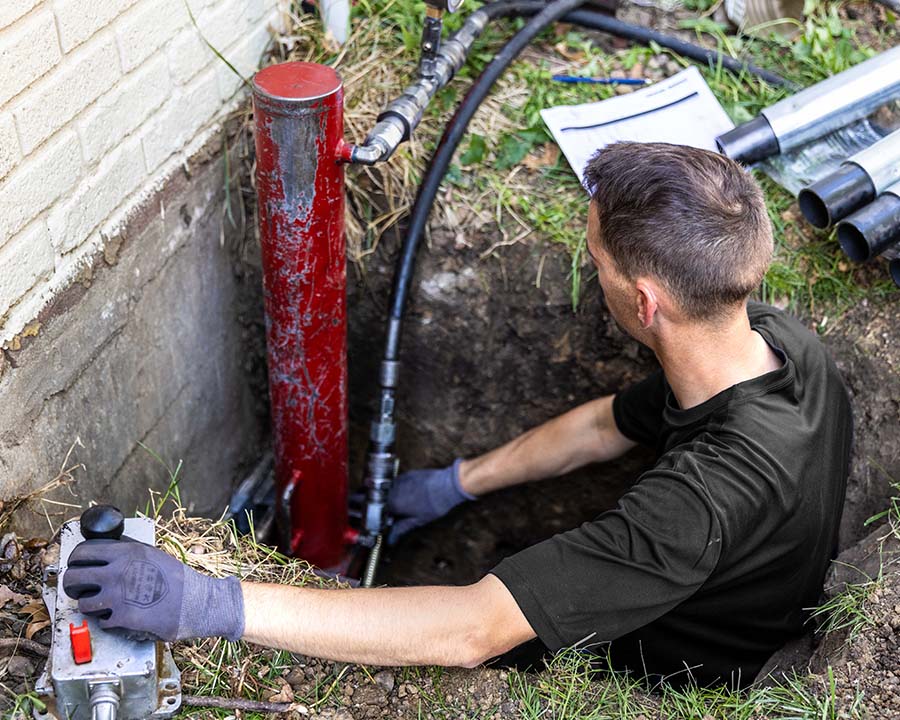
Every leaning chimney is different, but the goal is always the same: stabilize the foundation before addressing the masonry. The right solution depends on how the chimney is built, how much it has moved and what's causing the settlement. After a professional inspection, we'll pinpoint the root cause and recommend a reliable foundation repair solution designed to stabilize the chimney and help prevent additional movement.


How It Works
Our Approach to Leaning Chimney Repair


What To Expect
Ready to get started?
Schedule a free estimate to start your repair journey with Vesta.

Schedule your inspection
Fill out our form or give us a call to book your inspection. Share what you’ve noticed so we can send the right expert to your home.

Full home
inspection
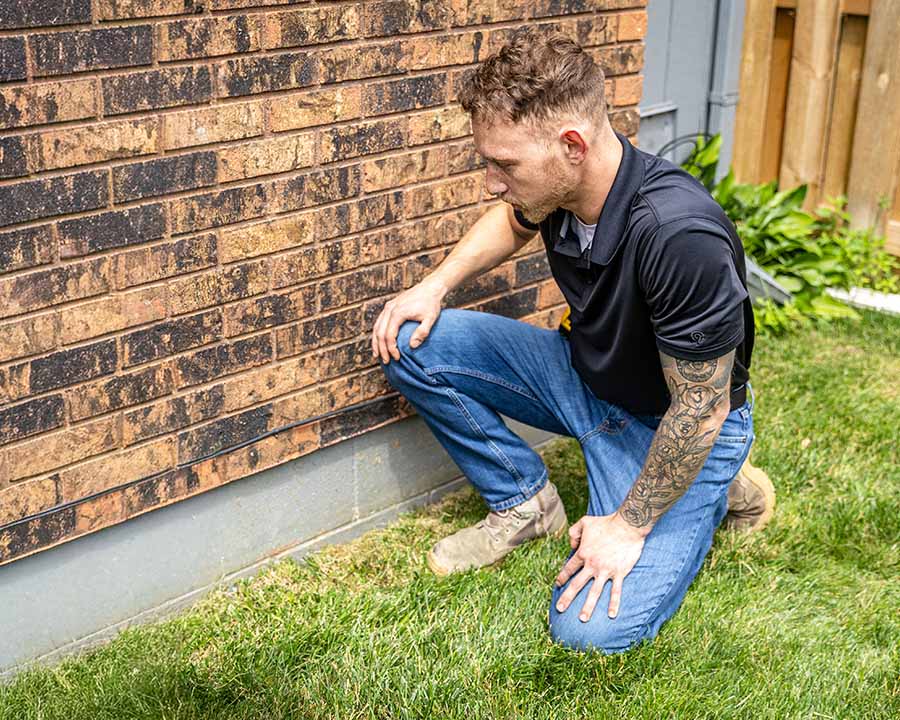
An expert will inspect the problem area and surrounding conditions, including soil movement, drainage, structural integrity, and any related concerns.

Clear explanation
of findings
We’ll walk you through what we’re seeing in easy-to-understand language so you know the root cause of the issue, not just the symptoms.

Review recommendations
If repairs are needed, we’ll outline your options, pricing, and timeline so you can make the best decision for your home.
Schedule your free inspection—
It'll only take
a minute
Meet with a trusted expert, and get
clear answers about your home.