How Much Does Foundation Repair Cost?
Foundation repair costs can range from relatively minor fixes to more extensive structural work, depending on what's causing the problem. Because no two foundations experience the same conditions, providing a price without an inspection can be misleading.
The cost of foundation repair hinges on factors such as the severity of the damage, the type of foundation, soil conditions, accessibility and the repair solution required. Some homes call for a localized repair, while others need more extensive structural stabilization. A professional foundation inspection is the only reliable way to get an accurate foundation repair estimate.
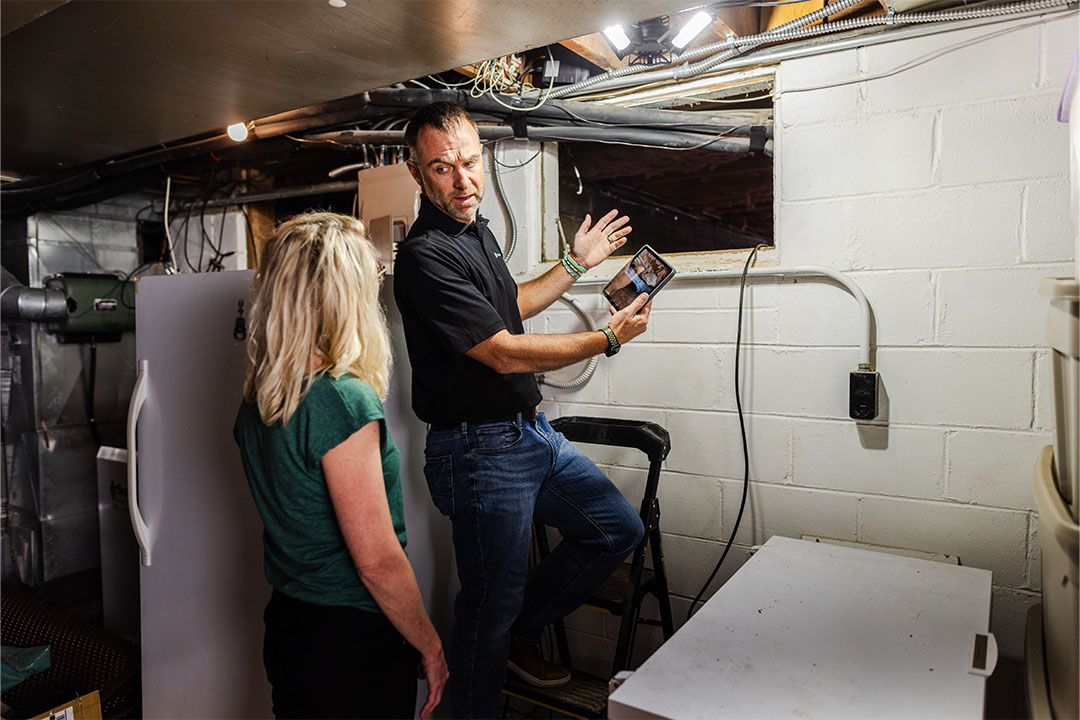
What Affects Foundation Repair Costs?
During a professional foundation inspection, our specialists look at several factors that influence foundation repair costs, including:
- How severe the foundation damage is
- Type of foundation
- Surrounding soil conditions
- The recommended repair solution
- Site accessibility
- Size of the area needing repair
- Related repairs, such as crawl space repair, waterproofing, drainage improvements or wall stabilization
Catching foundation problems early can often reduce repair costs by preventing additional damage. Foundation issues typically worsen over time when left unaddressed, leading to more extensive repairs.
Foundation repairs are often unexpected, so we offer financing options to help make repairs more manageable. During your inspection, your specialist will walk through available financing and answer any questions so you can make the best decision for your home.

Common Foundation Repair Solutions & Cost Factors
No two foundation repair projects are alike, which means foundation settlement repair costs can vary significantly from one home to another. A professional inspection lets us identify what’s causing the problem and recommend the repair solution that’s best for your home. The solution we recommend—and the scope of work required—are two of the biggest factors that influence your final estimate.
For Foundation Settlement
Foundation Piering
Foundation piering is commonly recommended when a home has settled because of unstable soil. Steel piers permanently stabilize the foundation by transferring the weight of the home to stronger soil or bedrock below. Project cost is influenced by the number of piers required, soil conditions and accessibility.

For Bowing, Leaning or Cracked Foundation Walls
Wall Stabilization
Wall stabilization is recommended when foundation walls start to bow, lean or crack under soil pressure. Depending on the condition of the wall, engineered systems like wall braces, wall anchors or restoration systems are used to stabilize the structure and help prevent additional movement. Wall repair costs vary based on the amount of wall movement, wall type and the stabilization system recommended.

For Cracked Walls Showing Early Signs of Movement
CarbonArmor® Carbon Fiber Reinforcement
CarbonArmor® is a low-profile wall reinforcement system built for foundation walls with cracks or minor inward movement. High-strength carbon fiber straps bond directly to the wall to reinforce weakened areas and help prevent additional movement. Because it reinforces walls before more significant structural movement takes hold, CarbonArmor® is often recommended for early-stage foundation wall problems.

For Sagging, Uneven Floors
SmartJack® House Jacks
SmartJack® is an engineered support system designed to stabilize sagging floors resulting from weakened floor joists, undersized supports or settling crawl space beams. Adjustable galvanized steel columns provide permanent support under the floor system and can often help lift floors closer to their original position. The scope of the repair and overall project cost depend on the number of supports required and the condition of the crawl space.

How It Works
Getting an Accurate Estimate for Foundation Repair
Symptoms
Common Signs Your Home May Need a Foundation Inspection
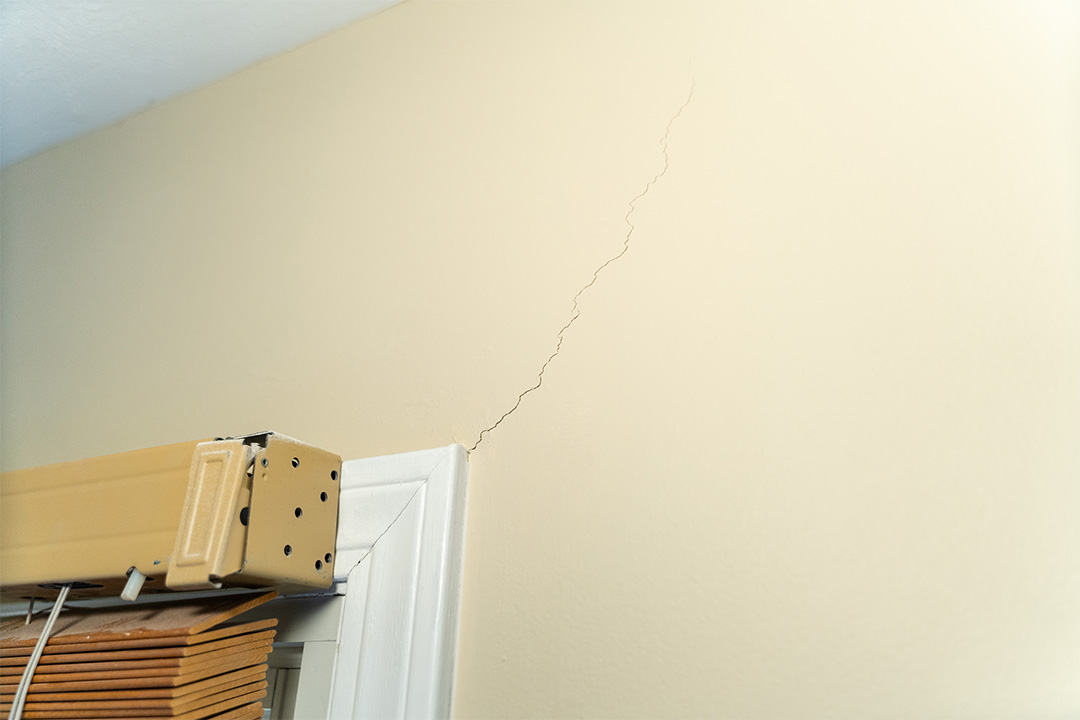
These symptoms may point to foundation movement or settlement. Scheduling an inspection early can help pinpoint the cause before repairs become more extensive.
- Foundation cracks
- Bowing or leaning basement walls
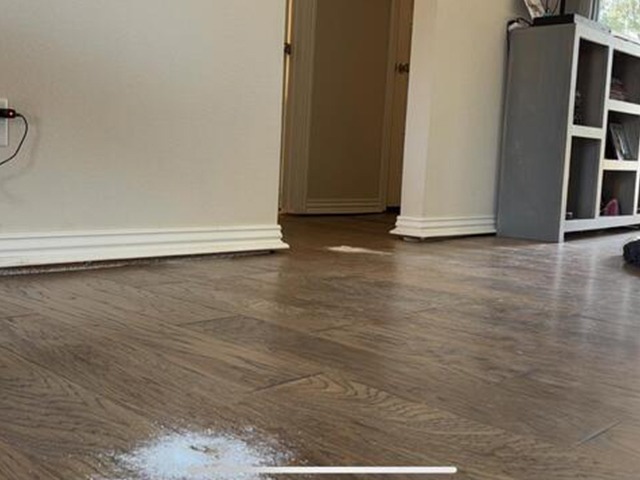
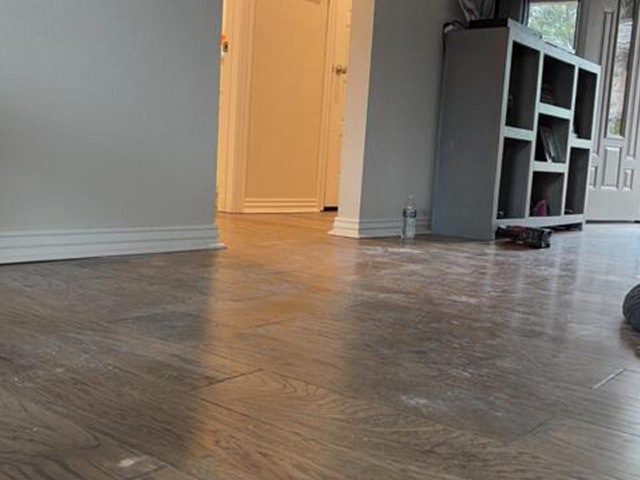
- Floors that feel uneven or sloped
- Doors and windows that no longer close easily
- Tilting or leaning chimney
- Gaps forming around windows, doors or trim
What To Expect
Ready to get started?
Schedule a free estimate to start your repair journey with Vesta.

Schedule your inspection
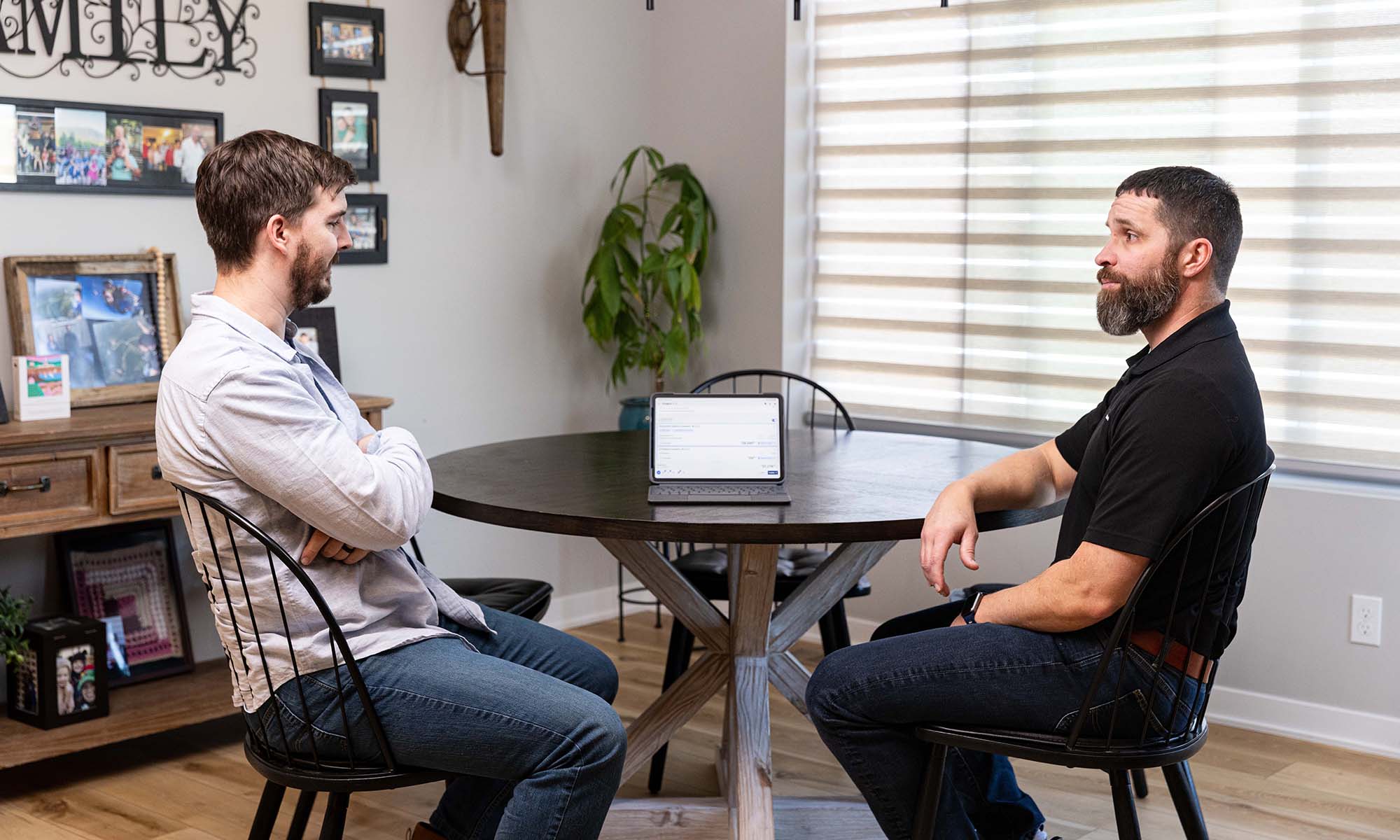
Fill out our form or give us a call to book your inspection. Share what you’ve noticed so we can send the right expert to your home.

Full home
inspection
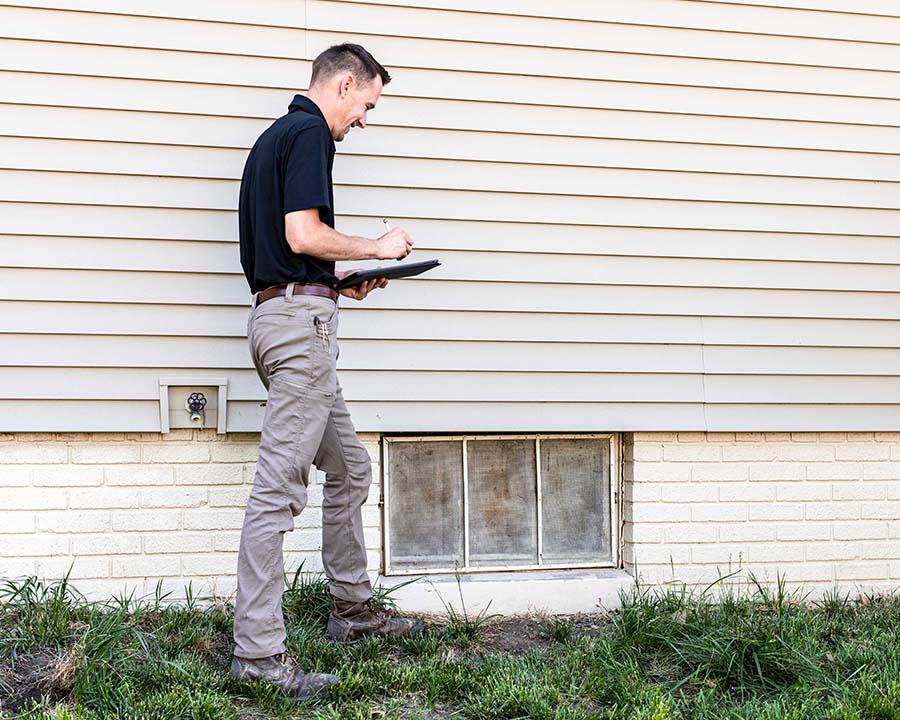
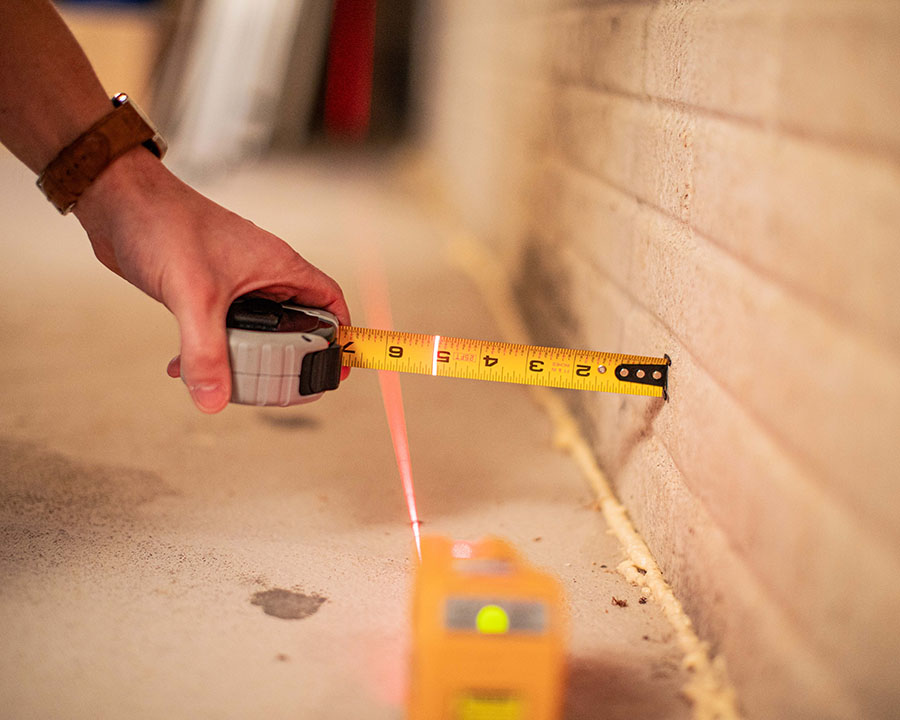
An expert will inspect the problem area and surrounding conditions, including soil movement, drainage, structural integrity, and any related concerns.

Clear explanation
of findings
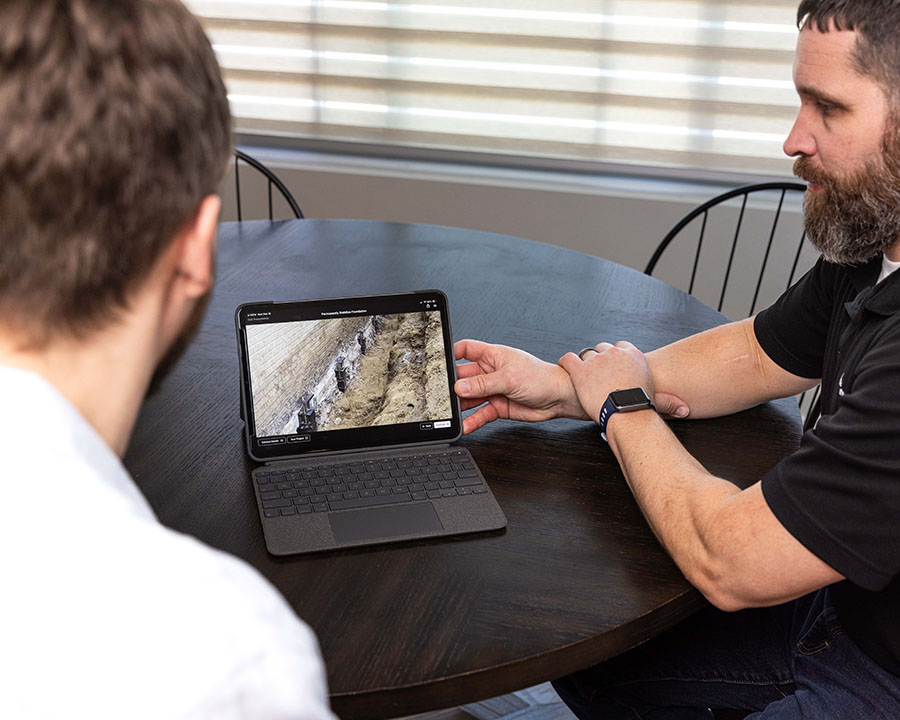
We’ll walk you through what we’re seeing in easy-to-understand language so you know the root cause of the issue, not just the symptoms.

Review recommendations
If repairs are needed, we’ll outline your options, pricing, and timeline so you can make the best decision for your home.
Schedule your free inspection—
It'll only take
a minute
Meet with a trusted expert, and get
clear answers about your home.