Sinking Sidewalk2026-10-20T16:54:32-05:00

Is Your Sidewalk Sinking? Here's What's Causing It

A sinking sidewalk isn't just an eyesore. Uneven concrete can lead to trip hazards, standing water and ongoing settlement if the supporting soil isn't stabilized. Without repair, minor height differences often grow into bigger safety concerns as the soil beneath continues to move. Fortunately, most sunken sidewalks can be lifted and leveled without replacement. During a no-cost inspection, Vesta Foundation Solutions identifies what's causing the settlement and recommends the right long-term repair.

Symptoms

Signs Your Sidewalk Needs Repair

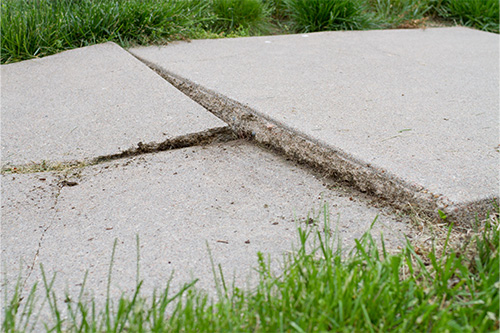
Most sidewalks sink gradually rather than all at once. Small shifts in the soil beneath the concrete let slabs settle over time, creating uneven walking surfaces and growing height differences. While some settlement may seem minor, a professional inspection can determine what's causing the movement, whether it's likely to continue and the best way to restore a safe, level sidewalk.

Causes

What Makes a Sidewalk Sink?

Sidewalks sink once the soil beneath them stops providing consistent support. In Oklahoma City seasonal rainfall, fluctuating soil moisture and natural soil shifting can create voids or weaken the ground below the concrete, allowing slabs to settle one by one. Finding the root cause is the first step toward selecting the right long-term repair.

  • Soil Erosion

    The soil supporting a sidewalk can erode gradually, leaving open voids beneath the concrete. As those voids grow, sections of the sidewalk lose support, settle unevenly and become more susceptible to cracking.

    Soil erosion often develops below the surface, making it difficult to detect until visible signs of settlement appear. If that lost support isn’t replaced, the sidewalk may keep settling as the voids under the slab widen.

  • Poorly Compacted Fill Soil

    Plenty of sidewalks are poured over fill soil that needs to be compacted first. If that soil wasn’t compacted properly, it can settle over time, causing the sidewalk above to sink.

    Settlement caused by poorly compacted fill often appears gradually across several years. As the soil settles under its own weight and everyday use, the concrete loses consistent support and uneven sections begin to form.

  • Water Washing Away Supporting Soil

    Water ranks among the leading causes of sidewalk settlement because it can carry supporting soil away from under the concrete. Even minor but repeated water intrusion can gradually weaken the soil below.

    Poor drainage, overflowing gutters, leaking irrigation lines, downspouts or runoff from nearby landscaping can lead to soil washout. Correcting these drainage issues along with concrete lifting helps reduce the risk of future settlement.

  • Expansive Soils

    Some soils naturally swell when wet and shrink as they dry. These ongoing changes can move the ground under a sidewalk and result in uneven settlement.

    In regions with expansive clay soils, seasonal moisture swings put continual stress on the concrete. Over time, that movement can produce cracks, uneven slabs and trip hazards as parts of the sidewalk settle differently than others.

  • Freeze-Thaw Cycles

    Repeated freezing and thawing can slowly weaken the soil supporting a sidewalk. As moisture freezes, expands and then thaws, the soil beneath the concrete moves.

    In regions with cold winters, these seasonal cycles can contribute to settlement by creating small voids and allowing soil to move over time. When drainage issues or weak soils are also present, freeze-thaw cycles can accelerate sidewalk sinking.

  • Heavy Loads Over Time

    Although sidewalks are designed for foot traffic, repeated heavy loads can place additional stress on the supporting soil. If the soil is already weak or unstable, it may compress and allow the concrete to settle.

    Construction equipment, dumpsters, utility vehicles or other heavy equipment driven across a sidewalk can accelerate settlement. Heavy loads on their own don’t typically cause sinking, though they can make existing soil problems worse and contribute to uneven concrete.

What Happens If You Ignore a Sinking Sidewalk
  • Stage 1

    Small Height Differences

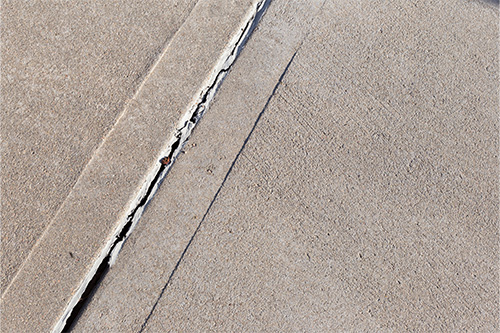
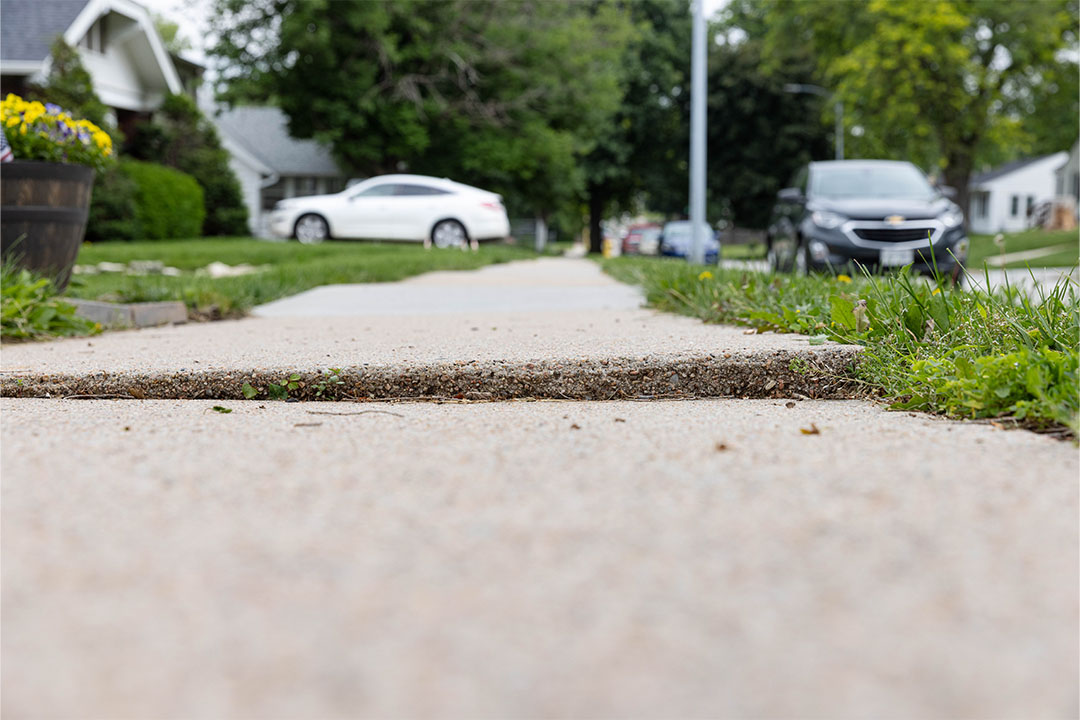
    A single section of sidewalk drops slightly below the next, leaving an uneven walking surface. At this point, homeowners may notice a small trip hazard, puddles after rain or a walkway that no longer looks level.

  • Stage 2

    Continued Settlement

    When the supporting soil continues to move or erode, the height difference becomes more obvious. Trip hazards increase, cracks may widen, and additional sidewalk slabs can begin settling as the underlying support weakens. Uneven walkways may also become tougher to navigate with strollers, wheelchairs and other mobility aids.

  • Stage 3

    More Extensive Damage

    Without repair, settlement can progress until concrete begins to crack, break apart or becomes too damaged to lift effectively. Addressing the problem early often allows the sidewalk to be repaired rather than replaced, saving both time and money.

How Vesta Foundation Solutions Repairs Sinking Sidewalks

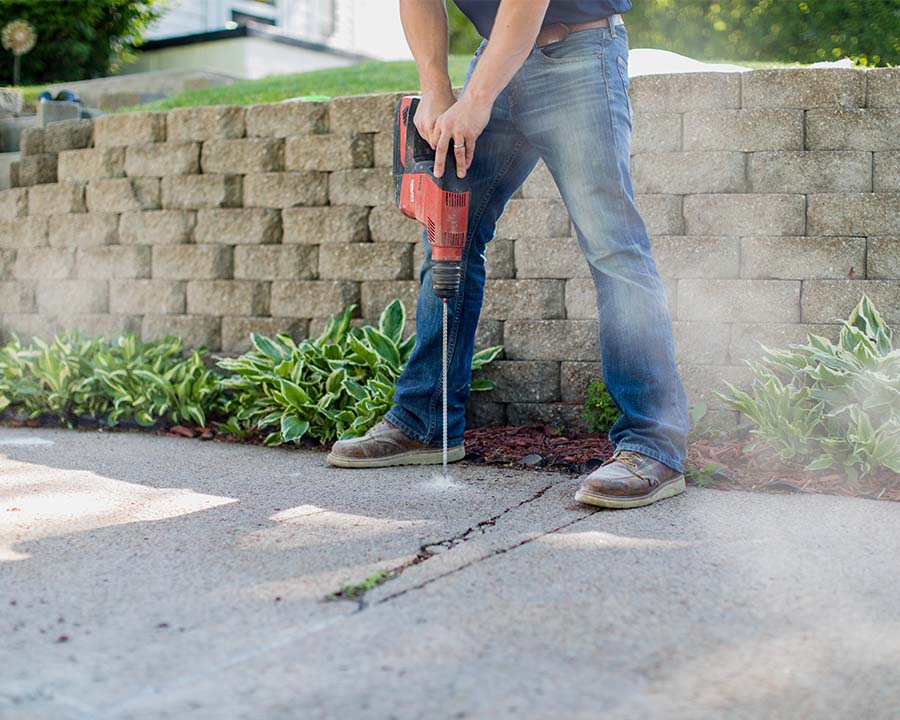
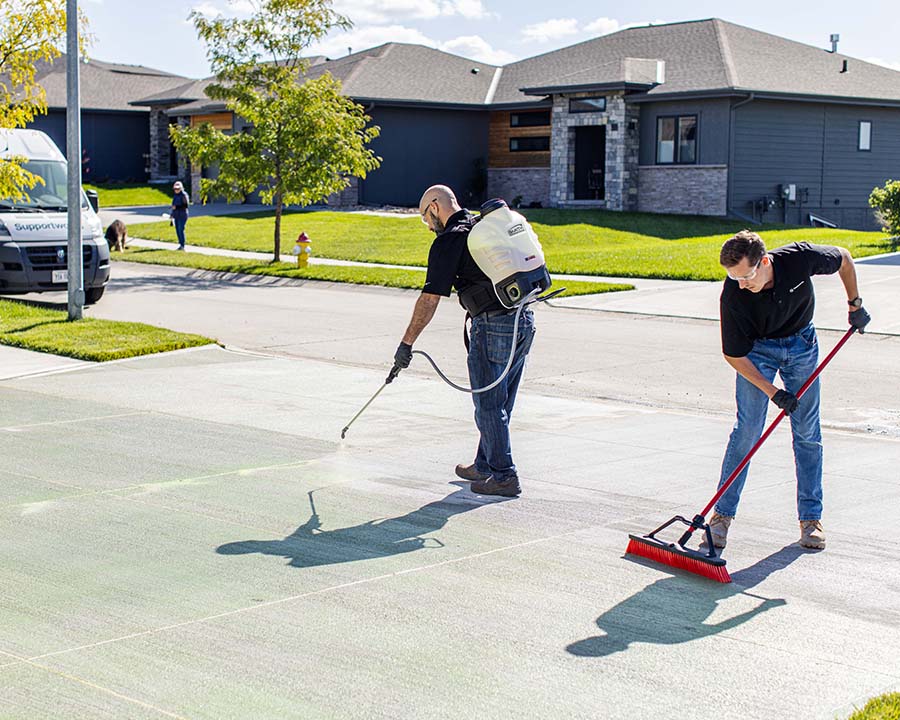
If you have a sinking sidewalk in Oklahoma City repairing the underlying soil is often a more effective long-term solution than replacing the concrete alone. Vesta Foundation Solutions uses PolyLevel® to lift and level settled sidewalk slabs, restoring a safer, more even walking surface. To help safeguard the repair, NexusPro® Joint Sealant seals joints and cracks to cut down on water intrusion that can drive future soil erosion and settlement.
  • PolyLevel® Concrete Lifting

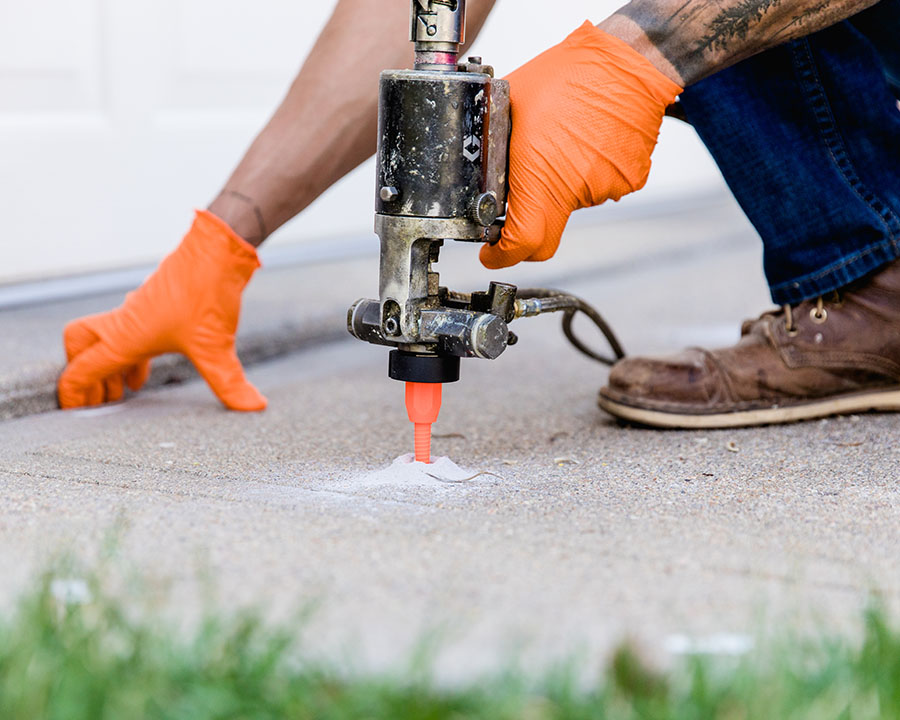
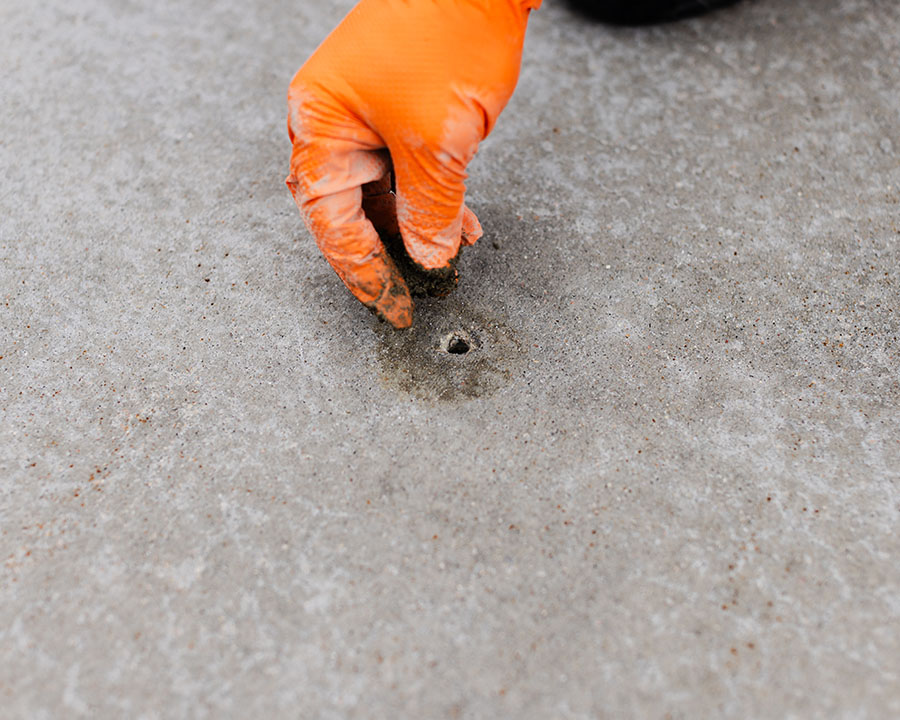
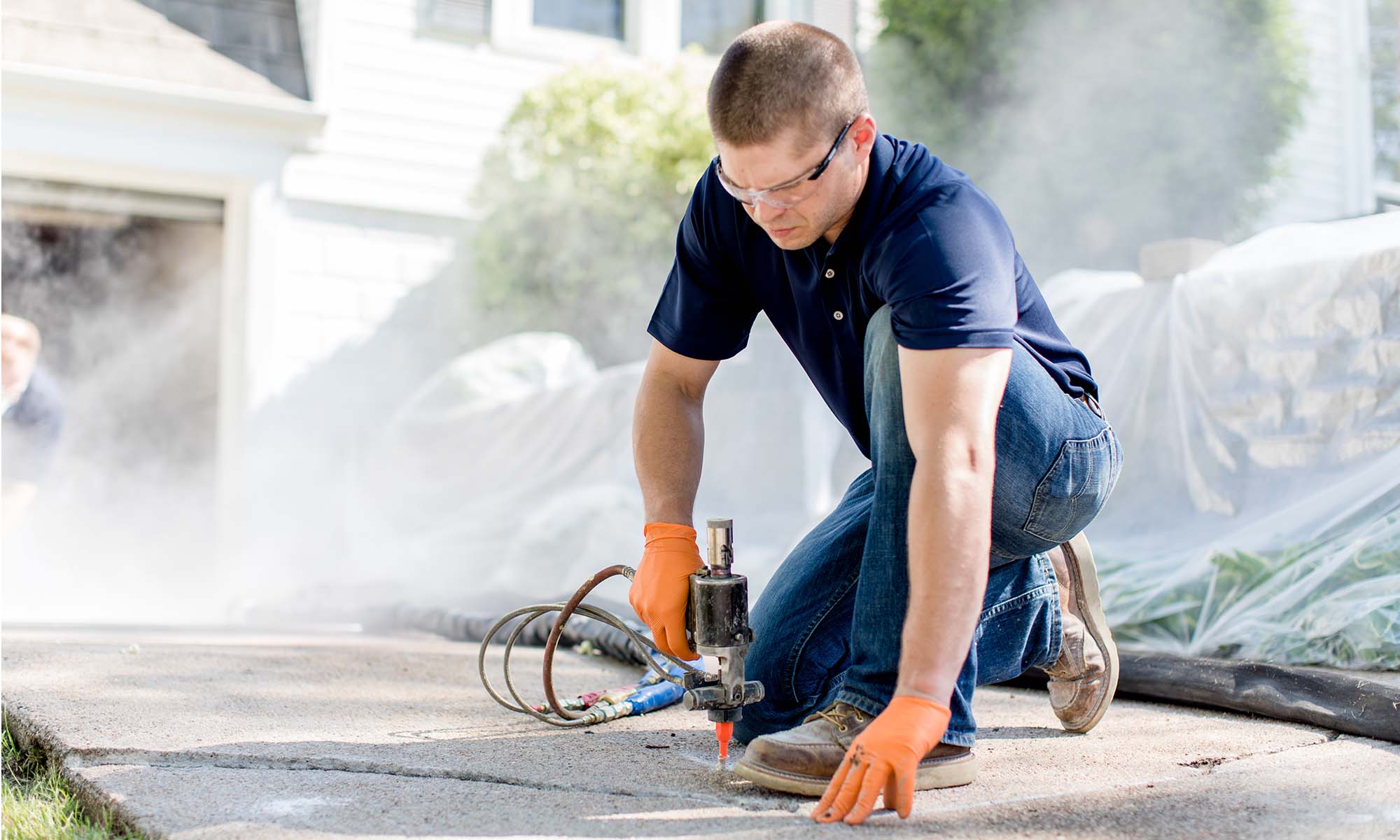
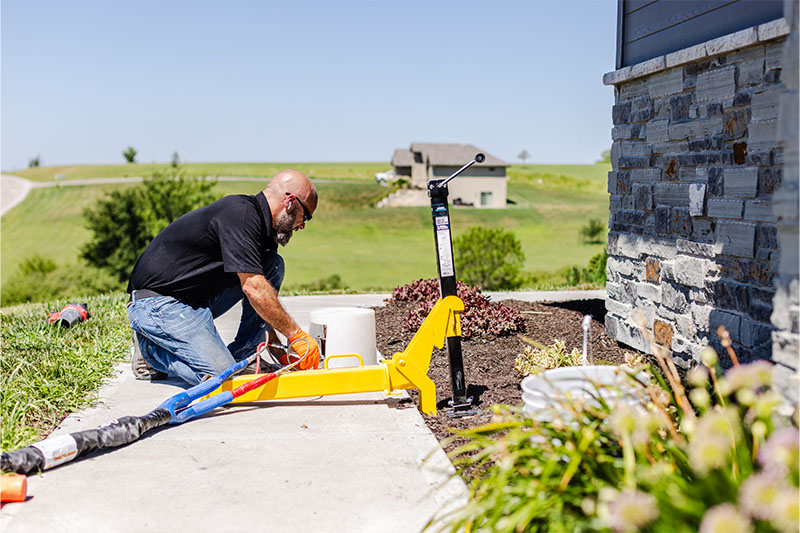
    PolyLevel® is placed beneath settled sidewalk slabs, expanding to fill voids, stabilize weak soils and carefully raise the concrete toward its original position. The lightweight foam cures fast, letting most sidewalks return to normal foot traffic the same day.

  • NexusPro® Joint Sealant

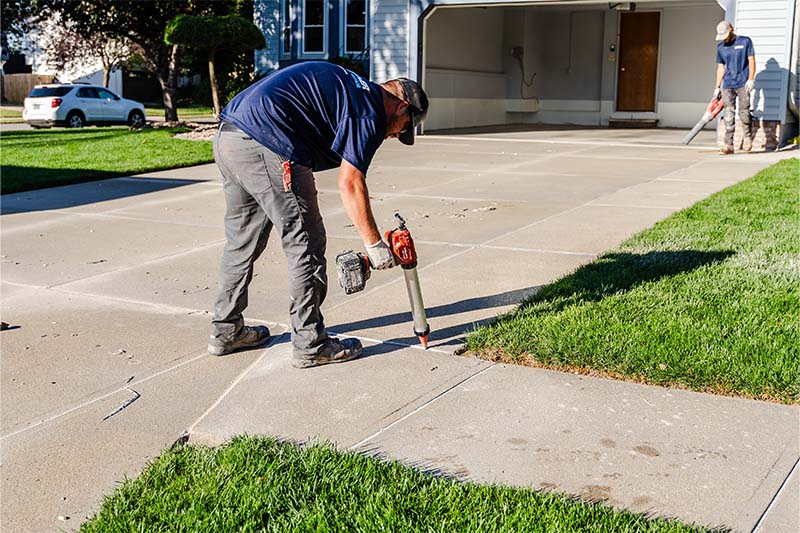
    Water is one of the biggest causes of sidewalk settlement. After lifting, NexusPro® can be applied to seal joints and cracks and help keep water from reaching the soil below. By limiting soil erosion and washout, it helps protect the repair and support long-term performance.

How It Works

Vesta Foundation Solutions' Step-by-Step Process for Lifting and Stabilizing Sinking Sidewalks
Benefits

Why Homeowners Keep Choosing Vesta Foundation Solutions

Body Copy Specific to Each Dealer

What To Expect

Ready to get started?

Schedule a free estimate to start your repair journey with Vesta.

Schedule your inspection

Fill out our form or give us a call to book your inspection. Share what you’ve noticed so we can send the right expert to your home.

Full home
inspection

An expert will inspect the problem area and surrounding conditions, including soil movement, drainage, structural integrity, and any related concerns.

Clear explanation
of findings

We’ll walk you through what we’re seeing in easy-to-understand language so you know the root cause of the issue, not just the symptoms.

Review recommendations

If repairs are needed, we’ll outline your options, pricing, and timeline so you can make the best decision for your home.

Schedule your free inspection—

It'll only take
a minute

Meet with a trusted expert, and get
clear answers about your home.

"*" indicates required fields

1Your Info
2Schedule Your Inspection
3Review & Submit

Customer Information

Don't just take our word for it

See what our customers have to say about our work.

Before & after photos

Check out before and after photos from some of our completed projects.

Find Your Local Vesta Location

Vesta Foundation Solutions of Oklahoma City and Arkansas are the experts for concrete leveling and repair, foundation repair, basement waterproofing and crawl space repair and more. We proudly service Fayetteville and all of Greater Fort Smith surrounding areas in Arkansas, Oklahoma City, Tulsa, Edmond in Oklahoma.

Frequently Asked Questions

How much does sinking sidewalk repair cost? 2026-10-02T12:41:33-05:00

What it costs to repair a sinking sidewalk depends on the extent of settlement, the number of affected slabs, accessibility and whether additional repairs are recommended for drainage or other underlying issues. In many cases, concrete lifting is more affordable than replacement because it restores the existing sidewalk without demolition or lengthy construction. A free inspection is the surest way to determine the most cost-effective repair for your situation. 

How long does sidewalk lifting last? 2026-10-02T12:41:06-05:00

If the underlying cause of settlement is properly addressed, PolyLevel® offers a long-lasting repair built to support the sidewalk for years to come. How it performs depends on soil conditions, drainage and the overall condition of the concrete. During your inspection, Vesta Foundation Solutions will evaluate these factors and recommend the most effective repair for lasting results.

Is a sinking sidewalk dangerous? 2026-10-02T12:40:39-05:00

Yes. A small height difference between sidewalk slabs is enough to create a trip hazard for family members, guests, neighbors and delivery drivers. Homeowners are often surprised how little settlement it takes to create an unsafe walking surface. Uneven sidewalks can also make it harder to get around with strollers, wheelchairs or other mobility aids. Since settlement usually worsens over time, addressing the problem early helps improve safety and may prevent more extensive repairs later. 

Can a sinking sidewalk be repaired without replacing it? 2026-10-02T12:40:03-05:00

In many cases, yes. As long as the concrete is structurally sound, PolyLevel® can lift and level settled slabs without the cost and mess of replacement. Expanding polyurethane foam is injected under the concrete to fill voids, stabilize the soil below and raise the sidewalk toward its original position. A professional inspection will determine whether lifting or replacement is the best long-term solution. 

What causes a sidewalk to sink? 2026-10-02T12:38:51-05:00

Sidewalks most often sink when the soil beneath the concrete can’t provide consistent support. Poorly compacted fill, natural soil settlement, soil erosion, water washing away supporting soils, freeze-thaw cycles and expansive clay soils can all create voids or cause the ground to shift. When the support below the slab weakens, sidewalk sections settle over time and become uneven. 

Related pages

Service Areas

Vesta Foundation Solutions provides service throughout Oklahoma and Arkansas.

Resources

Access valuable resources to help keep your home healthy and your family safe.

The Thrasher Promise

At Thrasher, we pride ourselves on providing permanent solutions, and stand behind our work with industry-leading, fully transferable warranties and guarantees.

Schedule your free inspection today

Don’t let unanswered questions about your
home worry you any longer.
Go to Top