Concrete Cracks & Gaps2026-10-20T16:52:05-05:00

Concrete Cracks & Gaps in Oklahoma City, OK: What Causes Them & How to Fix Them

Cracks and gaps in driveways, sidewalks, patios, porches and other concrete surfaces are common, but they shouldn't be ignored. While certain cracks are nothing more than normal concrete curing, others point to soil beneath the slab that has settled, shifted, or eroded. Without consistent support, concrete can crack, separate or settle unevenly. During a free inspection, Vesta Foundation Solutions pinpoints the underlying cause and recommends the right solution.

Symptoms

Warning Signs Your Cracks Need a Professional

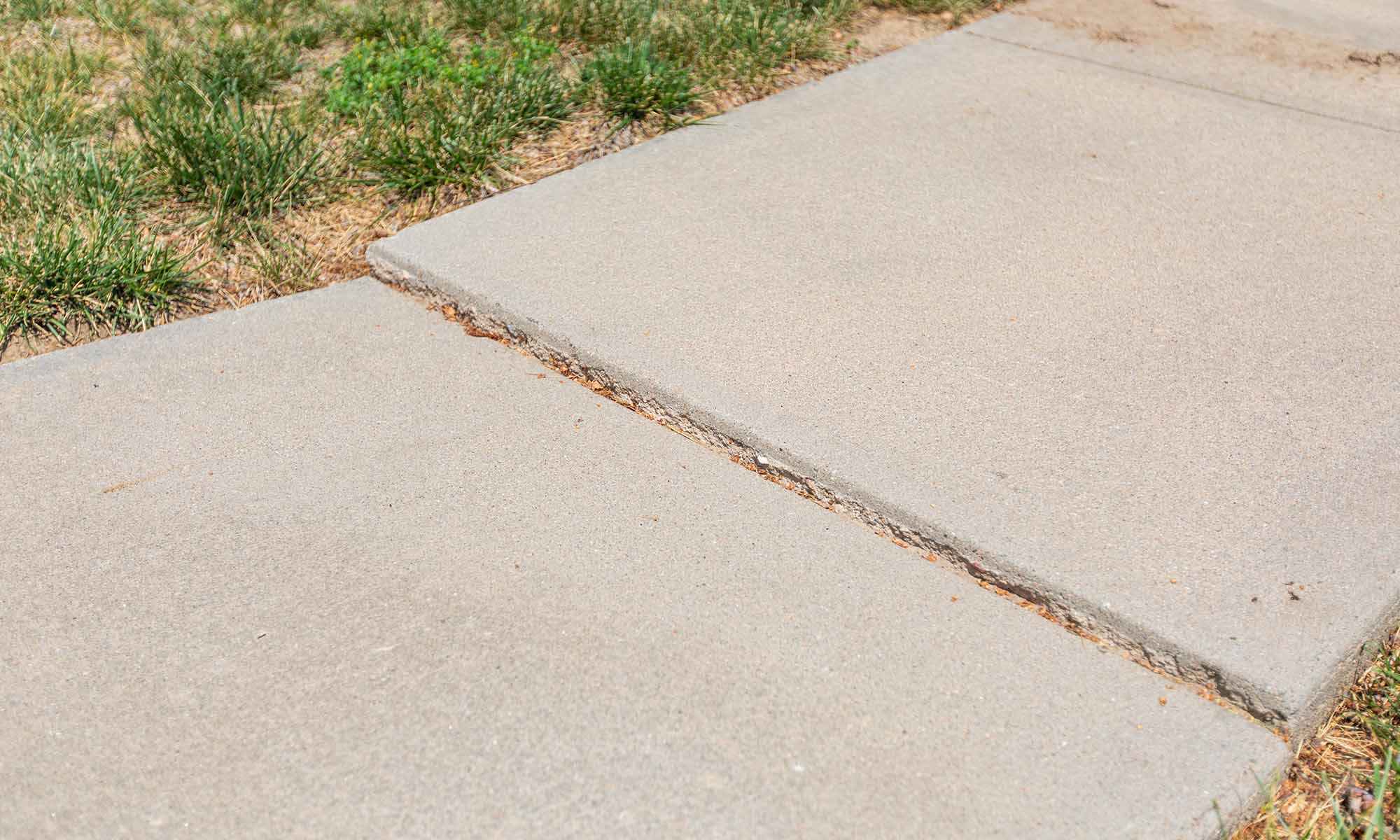
Concrete cracks take many forms, from thin hairline cracks to widening gaps between slabs. While certain cracks come from normal aging, the following signs often mean the concrete keeps moving because the supporting soil has shifted or settled.

Causes

What Causes Concrete Cracks & Gaps to Form?

Concrete naturally develops small cracks over time, but not all cracks have the same cause. Some come from the normal curing process or years of exposure to the elements. Others develop when the soil under the slab shifts, settles or washes away and the concrete begins to move. Pinpointing the cause of the damage is the key to choosing the right repair. While light surface cracking may be harmless, widening cracks, growing gaps or uneven concrete often indicate underlying problems that should be professionally evaluated.

  • Expansive or Shrinking Soils

    Changes in soil moisture can cause the ground beneath concrete to expand during wet periods and shrink during dry conditions. When the soil moves, the concrete loses steady support, making cracks, gaps and settlement more likely.

    Many regions contain clay-rich soils that naturally expand when they absorb moisture and contract as they dry. This constant cycle places stress on concrete slabs, causing them to shift over time. Even minor soil movement can lead to widening cracks or uneven surfaces when it goes unaddressed.

  • Improperly Compacted Soil

    Concrete performs best when properly compacted soil supports it. When the ground isn’t adequately prepared before the pour, it may settle over time and leave sections of concrete without the support they need.

    Poor compaction frequently occurs beneath driveways, sidewalks, patios and porches, especially in areas where fill soil was used during construction. As that loose soil compresses, the slab can crack, sink or separate from neighboring concrete.

  • Washout and Erosion Beneath Slabs

    Soil erosion takes place when water steadily carries off the soil beneath a concrete slab. Once that support is gone, the concrete can settle, crack or pull away from nearby slabs.

    Poor drainage, leaking downspouts, heavy rainfall and water flowing beneath the slab can all contribute to soil erosion. As the voids enlarge, the concrete settles into the empty space, resulting in cracks, uneven slabs and widening gaps.

  • Freeze-Thaw Movement

    Water that enters cracks or surrounding soil expands when it freezes and contracts as it thaws, placing additional stress on the concrete.

    Repeated freeze-thaw cycles can cause existing cracks to grow and contribute to soil movement beneath the slab. With each season, this expansion and contraction can accelerate settlement and make concrete damage more obvious.

  • Heavy Vehicle Loads

    Repeated heavy loads can put more stress on concrete than it was built to handle, especially when the supporting soil has already weakened.

    Driveways frequently used by large trucks, RVs or commercial vehicles may experience cracking or settlement sooner than lightly used surfaces. If unstable soil sits beneath the slab, the additional weight can hasten movement and worsen existing damage.

  • Natural Curing and Age of Concrete

    Hairline cracks come with normal concrete curing and aging. That said, cracks that continue to widen, open into gaps or turn uneven often signal movement beneath the slab rather than normal wear.

    Not every crack points to a structural problem. However, cracks that keep widening, form gaps or come with uneven concrete often suggest the slab is moving rather than simply aging. A professional inspection can confirm whether the damage is cosmetic or the result of settlement below the slab.

Why Ignoring Concrete Cracks Can Lead to Bigger Problems
  • Stage 1

    Water Starts Getting In

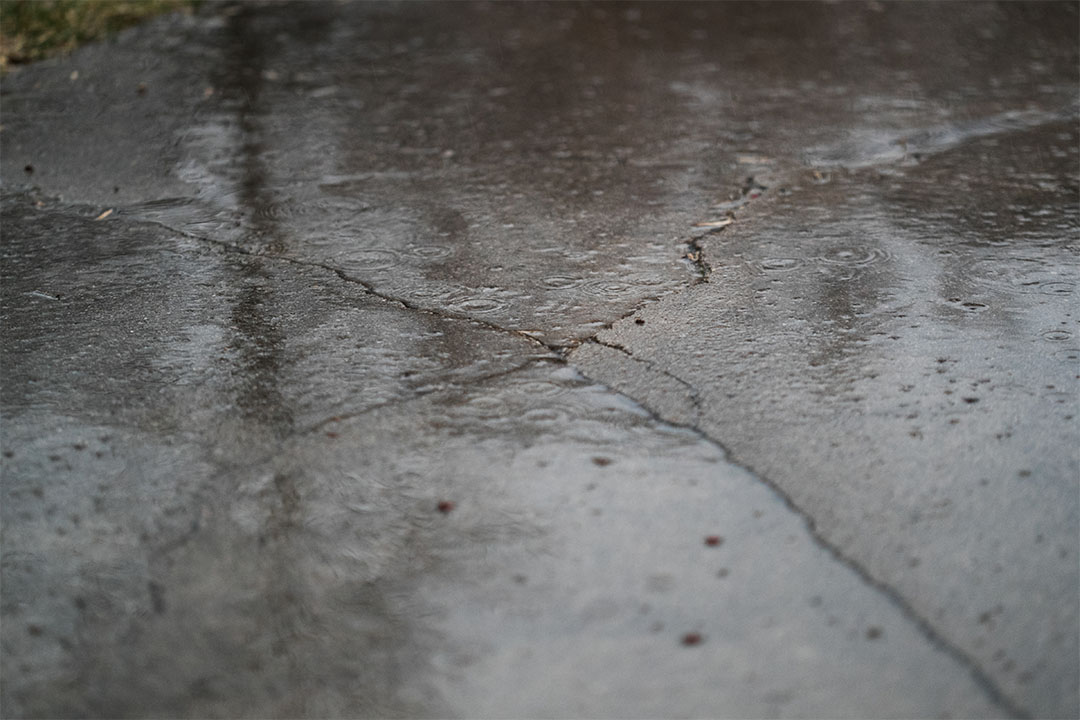
    Small cracks may seem cosmetic at first, but they create pathways for water to reach the soil beneath the slab. As moisture erodes supporting soil or makes it expand and contract, the concrete can keep shifting.

  • Stage 2

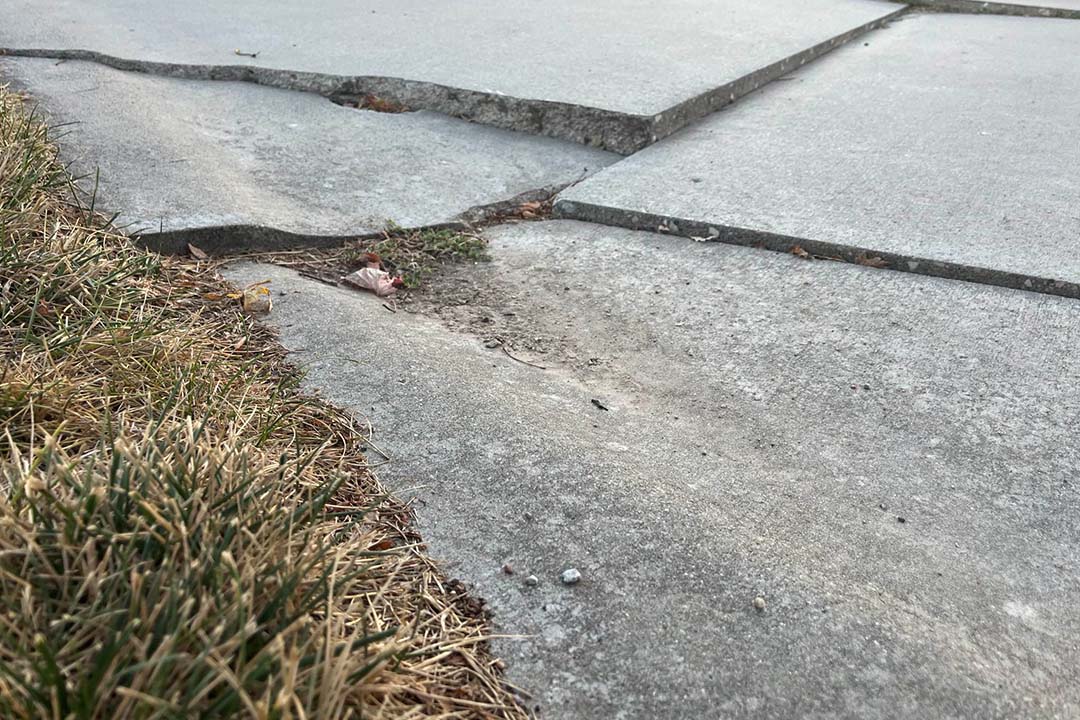
    Uneven Concrete & Trip Hazards Appear

    As the supporting soil keeps settling or washing away, sections of concrete can become uneven or pull apart from one another. What began as a simple crack can turn into a trip hazard, collect standing water and make driveways, sidewalks, patios or porches harder to use safely.
  • Stage 3

    Repairs Grow More Involved

    Leaving ongoing slab movement unaddressed can lead to bigger cracks, continued settlement and costlier repairs. Addressing the issue early can often stabilize and restore the concrete before more extensive damage—or even replacement—becomes necessary.

The Way Vesta Foundation Solutions Repairs Concrete Cracks

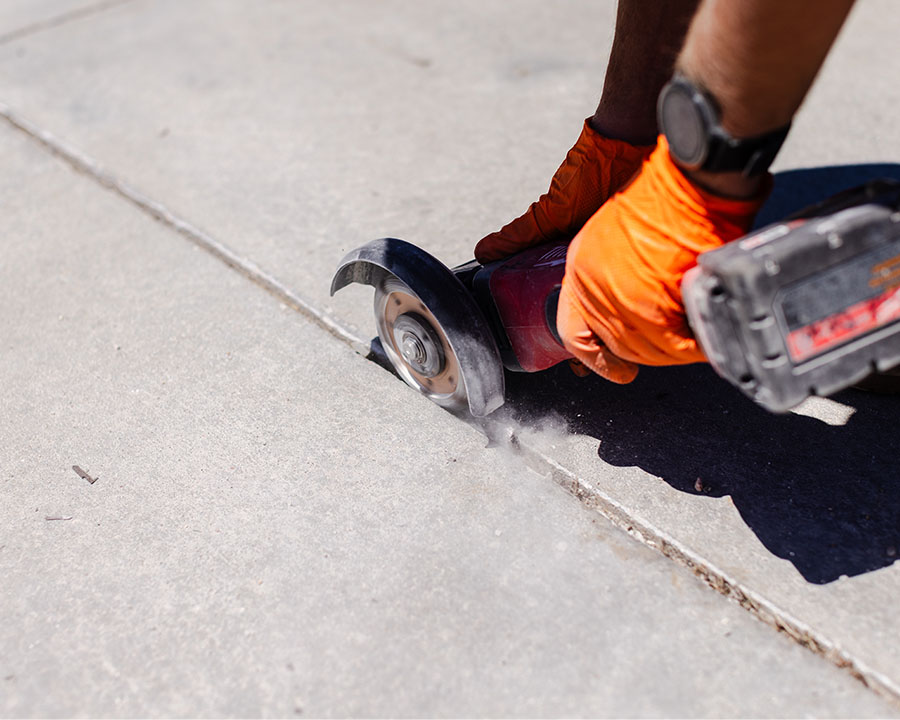
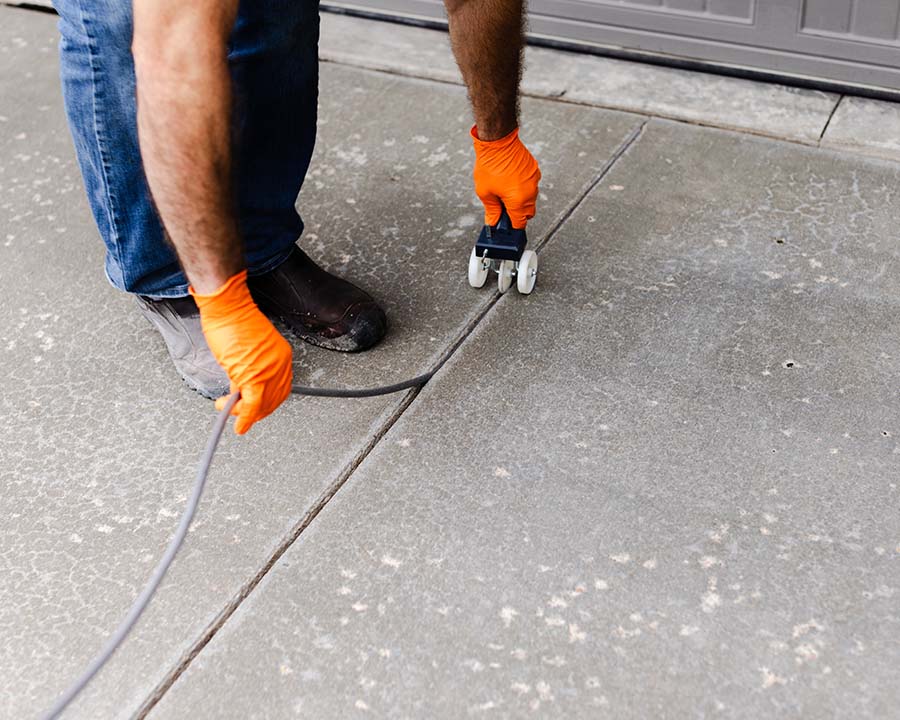
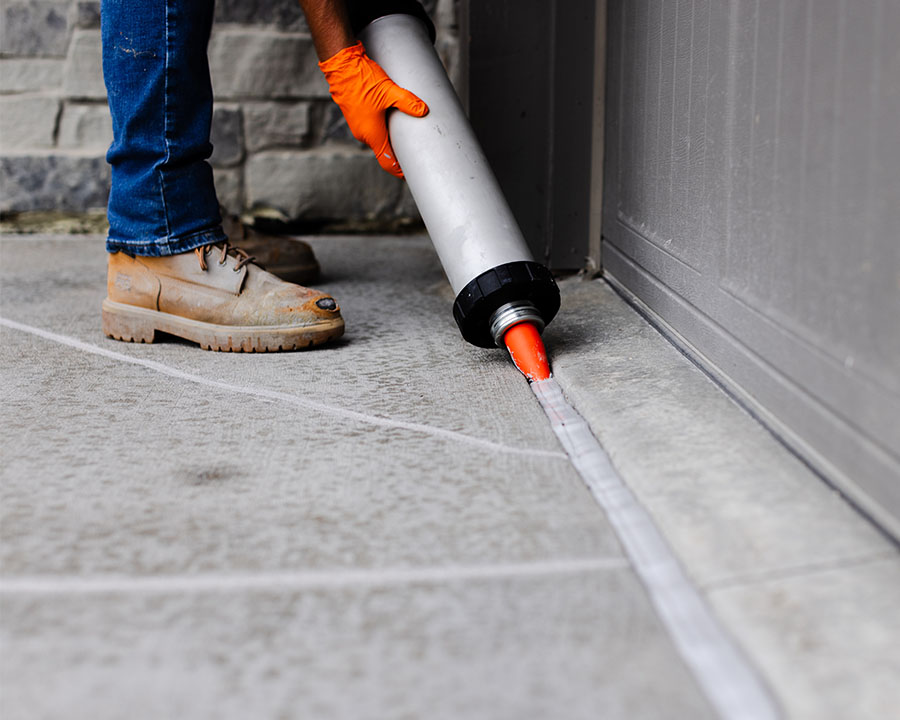
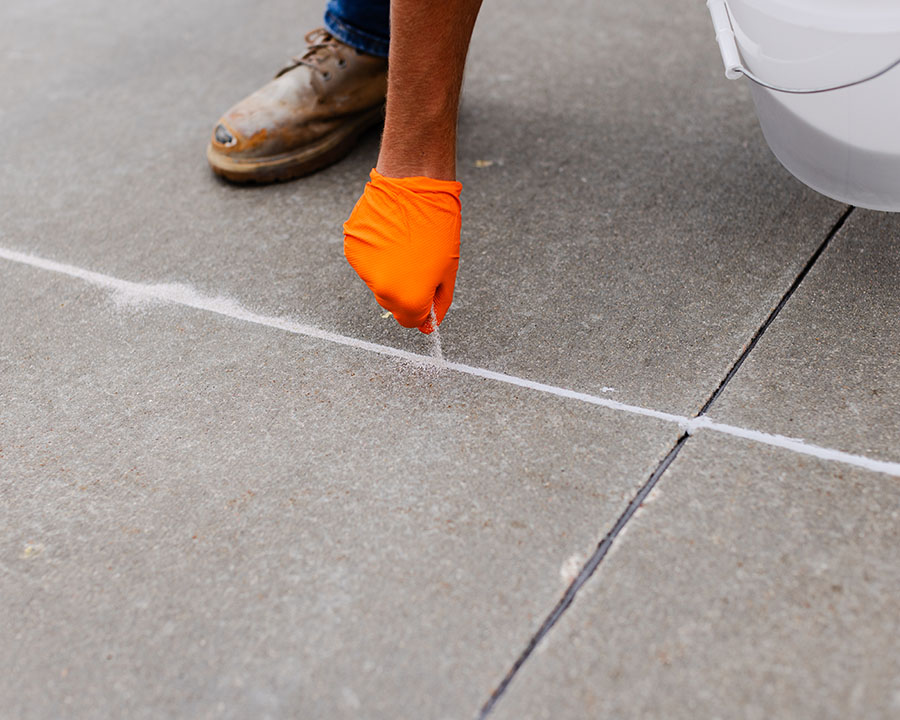
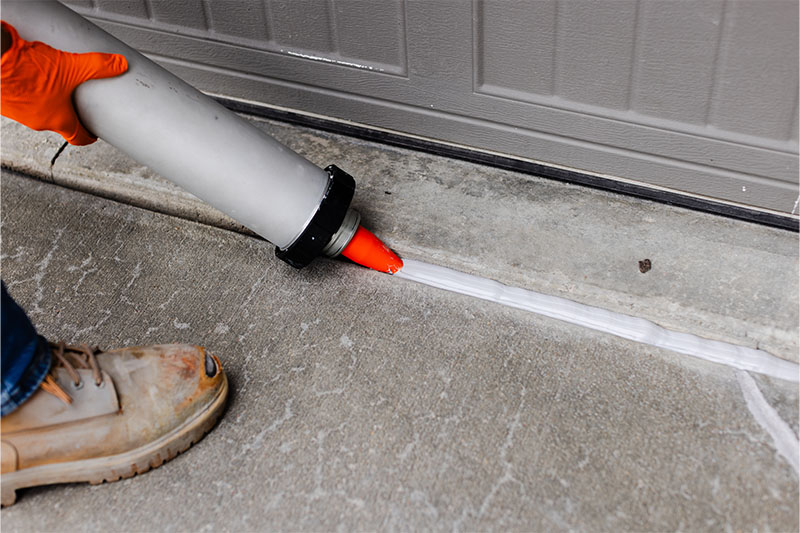
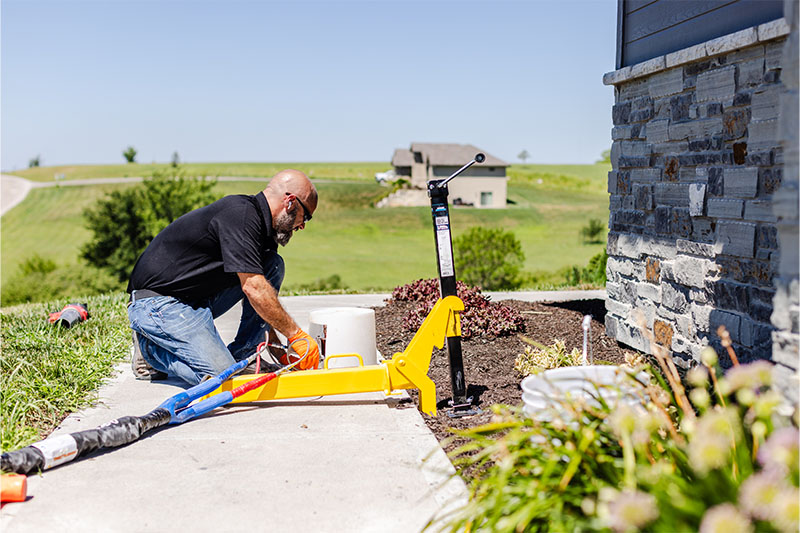
Two concrete cracks seldom require the same repair. During a free inspection, Vesta Foundation Solutions identifies what's causing the damage before recommending a solution. If settlement has occurred, PolyLevel® is used first to lift and stabilize the concrete. Once the slab is properly supported, NexusPro® seals the cracks and joints to help prevent water intrusion and protect the repair.
  • NexusPro® Joint & Crack Sealant

    NexusPro® seals concrete cracks and joints to help keep water from reaching the soil beneath the slab. Unlike many store-bought fillers, it stays flexible through seasonal expansion and contraction for a longer-lasting seal.

  • PolyLevel®

    If slab settlement caused the cracks, PolyLevel® lifts and stabilizes the concrete before it’s sealed. Correcting the underlying cause helps create a longer-lasting repair.

How It Works

Vesta Foundation Solutions' Concrete Crack Repair Process
Benefits

Why Homeowners Trust Vesta Foundation Solutions

Body Copy Specific to Each Dealer

What To Expect

Ready to get started?

Schedule a free estimate to start your repair journey with Vesta.

Schedule your inspection

Fill out our form or give us a call to book your inspection. Share what you’ve noticed so we can send the right expert to your home.

Full home
inspection

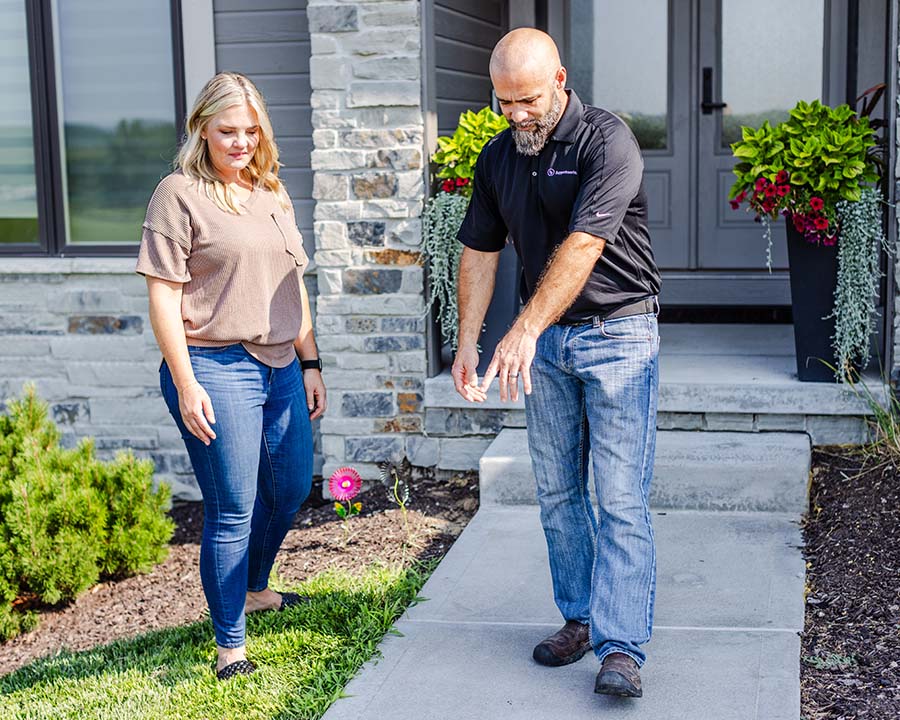
An expert will inspect the problem area and surrounding conditions, including soil movement, drainage, structural integrity, and any related concerns.

Clear explanation
of findings

We’ll walk you through what we’re seeing in easy-to-understand language so you know the root cause of the issue, not just the symptoms.

Review recommendations

If repairs are needed, we’ll outline your options, pricing, and timeline so you can make the best decision for your home.

Schedule your free inspection—

It'll only take
a minute

Meet with a trusted expert, and get
clear answers about your home.

"*" indicates required fields

1Your Info
2Schedule Your Inspection
3Review & Submit

Customer Information

Don't just take our word for it

See what our customers have to say about our work.

Before & after photos

Check out before and after photos from some of our completed projects.

Find Your Local Vesta Location

Vesta Foundation Solutions of Oklahoma City and Arkansas are the experts for concrete leveling and repair, foundation repair, basement waterproofing and crawl space repair and more. We proudly service Fayetteville and all of Greater Fort Smith surrounding areas in Arkansas, Oklahoma City, Tulsa, Edmond in Oklahoma.

Frequently Asked Questions

Is concrete crack filler from a hardware store a permanent solution? 2026-10-02T11:53:11-05:00

Store-bought crack fillers can improve how concrete looks and help seal out water, but they don’t address the underlying cause of many cracks. If soil movement or washout is causing the slab to settle, the concrete may continue to move even after the crack is filled. A professional inspection can tell whether sealing alone is appropriate or whether the slab needs to be stabilized with PolyLevel® before the crack is repaired. 

What does concrete crack repair cost? 2026-10-02T11:52:42-05:00

The cost varies based on several factors, including the size of the slab, how much settlement has occurred, the number of cracks and the repairs needed. Since every property is different, the most accurate estimate comes from a free professional inspection. Vesta Foundation Solutions will review your concrete’s condition and recommend the most effective repair for your situation. 

How durable is concrete crack repair? 2026-10-02T11:52:13-05:00

Long-term results depend on addressing the underlying cause of the damage. When settled concrete is stabilized with PolyLevel® and cracks are sealed with NexusPro®, the repair is designed to provide lasting performance. At your inspection, Vesta Foundation Solutions will recommend the best solution for your property’s specific conditions. 

How does PolyLevel® repair cracked concrete? 2026-10-02T11:51:46-05:00

PolyLevel® is a high-density polyurethane foam placed beneath settled concrete through small, penny-sized injection holes. As it expands, the foam fills voids in the soil and gently lifts the slab toward its original position while providing long-term support. If the cracks came from settlement, stabilizing the slab helps solve the underlying problem before the cracks are sealed. 

Will concrete cracks continue to get worse? 2026-10-02T11:51:19-05:00

They can. When cracks allow water to reach the soil beneath the slab, erosion and settlement may continue, causing the concrete to shift even more. Over time, small cracks can grow larger, gaps may widen and uneven concrete can create trip hazards. Addressing the underlying cause early can help avoid additional damage. 

When should I be concerned about cracks in my driveway or sidewalk? 2026-10-02T11:50:53-05:00

Small hairline cracks are usually a normal part of concrete aging. That said, if cracks continue to widen, gaps form between slabs, one section rises above another or the concrete begins to settle, it’s worth having it inspected. These signs often indicate ongoing soil movement that can worsen if left untreated. 

Is it possible to repair cracked concrete without replacing it? 2026-10-02T11:50:26-05:00

In many cases, yes. Plenty of cracked concrete slabs can be repaired without the expense and mess of replacement. When the slab is structurally sound, it can usually be lifted and stabilized with PolyLevel®, then sealed with NexusPro® to help reduce water intrusion and protect the repair. Replacement is typically only necessary when the concrete is too damaged to restore. 

Are concrete cracks a sign of a foundation issue? 2026-10-02T11:49:41-05:00

In most cases, no. Most cracking in driveways, sidewalks, patios and other exterior slabs is caused by soil movement under the concrete—not foundation damage. However, if widespread settlement is showing up around your property or you see cracks in both your concrete and your home’s foundation, it’s worth having a professional inspection to identify the cause. 

What makes concrete crack and separate? 2026-10-02T11:49:10-05:00

There are several reasons concrete cracks, including normal curing, age, heavy loads and seasonal weather changes. That said, many widening cracks and gaps appear because the soil under the concrete settles, shifts or erodes over time. Once the slab loses support, it can crack, separate or settle unevenly. A professional inspection can tell whether the damage is simply cosmetic or caused by soil movement below. 

Related pages

Service Areas

Vesta Foundation Solutions provides service throughout Oklahoma and Arkansas.

Resources

Access valuable resources to help keep your home healthy and your family safe.

The Thrasher Promise

At Thrasher, we pride ourselves on providing permanent solutions, and stand behind our work with industry-leading, fully transferable warranties and guarantees.

Schedule your free inspection today

Don’t let unanswered questions about your
home worry you any longer.
Go to Top