

What is a Crawl Space Access Door?
A crawl space access door provides entry to the area beneath your home for inspections, repairs, plumbing and HVAC or pest-control work. Entry may be through an exterior foundation wall or through an interior floor hatch.
But a crawl space door does more than provide access. Gaps around the opening can create a direct path for humid air, rainwater and pests to enter. A properly fitted, sealed door helps close that gap and supports the performance of your encapsulation, insulation and dehumidifier.

Symptoms
Warning Signs You Need a New Crawl Space Door
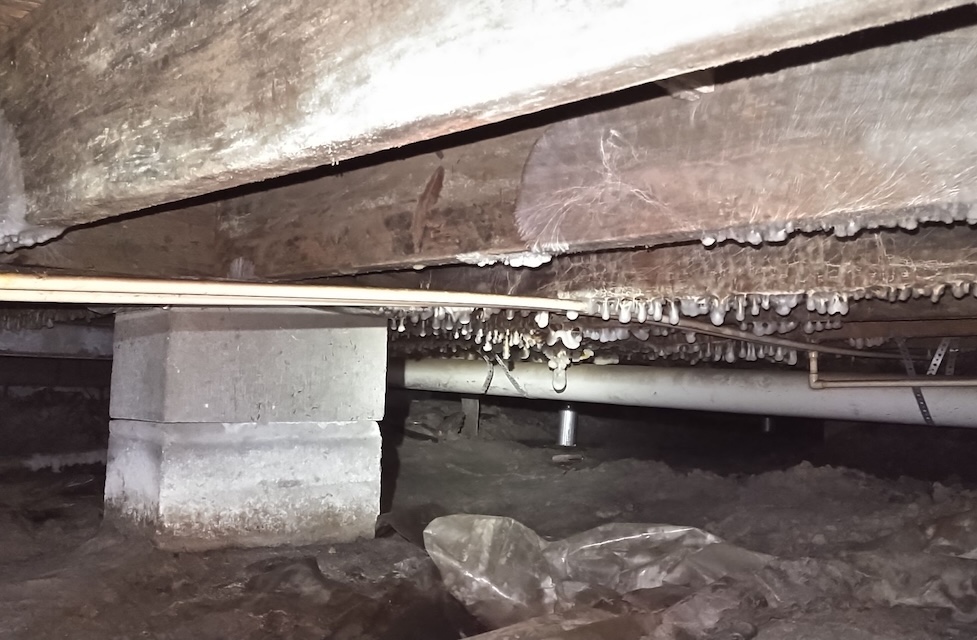
A crawl space door that no longer fits, seals or latches can allow moisture, outside air and pests into the space beneath your home. In some cases, a damaged door also points to a larger crawl space moisture problem. Signs it may be time for a crawl space door replacement include:
- Rotted, warped or splitting wood
- Rusting or corroding metal panels
- Visible gaps around the door or frame
- A door that will not latch or stay shut
- Standing water in the access well after rain
- Droppings, nests or insect activity near the opening
- Frost or condensation forming on the inside of the door
- Musty odors you can smell in your living space
- Higher heating and cooling bills
Crawl Space Access Door Solutions We Offer
Helps keep outside air and moisture out of a sealed crawl space
Sealed (Non-Louvered) Crawl Space Access Door
A sealed crawl space door closes off an opening that can otherwise let humid air, rainwater and pests beneath your home. In encapsulated or sealed crawl spaces, a custom-fit, non-louvered crawl space door helps maintain the controlled environment created by the rest of the moisture-management system.

Adds protection against outdoor temperature changes
Insulated Crawl Space Access Door
In colder climates, an access opening can become a weak point in the crawl space’s thermal boundary. An insulated crawl space access door helps reduce heat transfer and cold-air intrusion while maintaining a secure, sealed entry. It’s often especially useful for conditioned or winterized crawl spaces and homes with plumbing beneath the floor.

Maintains airflow in crawl spaces designed to stay vented
Louvered (Vented) Crawl Space Access Door
Not every crawl space is designed to be sealed. For crawl spaces that will remain traditionally vented, a louvered crawl space access door provides an entry point while allowing outside air to continue moving through the space. The door should fit securely and work with the home’s existing crawl space ventilation strategy.
Helps protect below-grade access openings against water and soil
Crawl Space Access Well (Entry Well)
When a crawl space entrance sits at or below grade, runoff, soil and debris can collect around the opening. A crawl space access well, also called an entry well or areaway, forms a defined area around the entrance to improve access and help hold surrounding soil away from the door.

How It Works
How Vesta Foundation Solutions Handles Crawl Space Door Installation


Should a Crawl Space Door Be Vented or Sealed?
Whether your crawl space door should be vented or sealed depends on how the crawl space is designed. Traditionally vented crawl spaces rely on openings that allow outside air to circulate, while encapsulated crawl spaces use sealed, non-louvered doors to help block humid air and moisture. If you’re encapsulating your crawl space, simply replacing the door isn’t enough. A door that still allows outside air in can work against the sealed environment you’re trying to create. The access point, vents, vapor barrier and other moisture-control components should function together as one system.

Schedule your free inspection—
It'll only take
a minute
Meet with a trusted expert, and get
clear answers about your home.
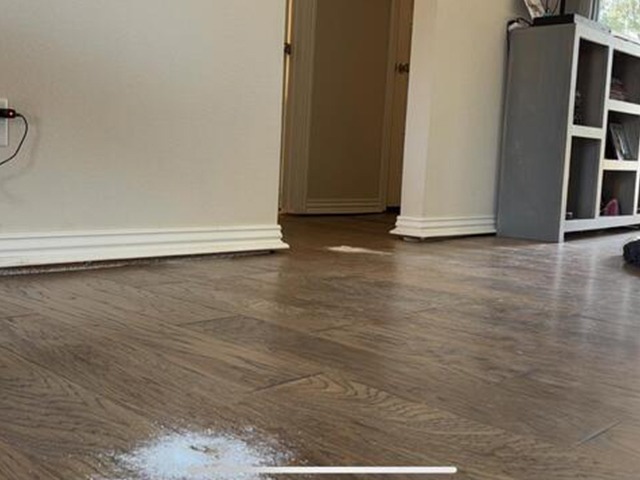
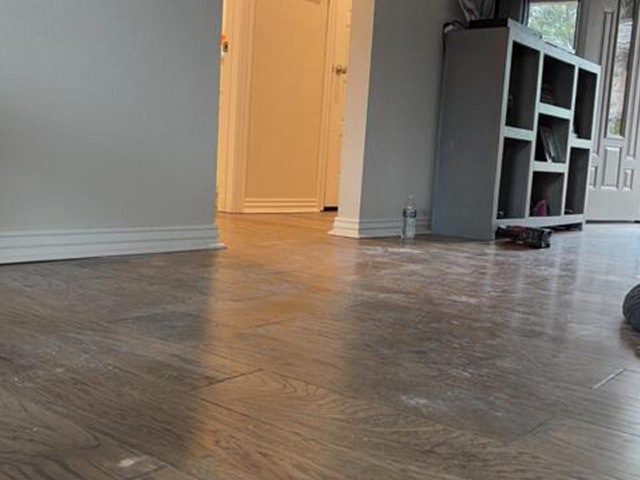
Before & after photos
Check out before and after photos from some of our completed projects.





Frequently Asked Questions
What To Expect
Ready to get started?
Schedule a free estimate to start your repair journey with Vesta.

Schedule your inspection
Fill out our form or give us a call to book your inspection. Share what you’ve noticed so we can send the right expert to your home.

Full home
inspection
An expert will inspect the problem area and surrounding conditions, including soil movement, drainage, structural integrity, and any related concerns.

Clear explanation
of findings
We’ll walk you through what we’re seeing in easy-to-understand language so you know the root cause of the issue, not just the symptoms.

Review recommendations
If repairs are needed, we’ll outline your options, pricing, and timeline so you can make the best decision for your home.


