
Symptoms
Signs Your Concrete Needs Repair
Uneven concrete almost never happens overnight. You may first notice a small lip between two sidewalk slabs, a section of driveway that has settled or water collecting where the surface once drained properly. As soil movement carries on, those changes often grow more noticeable. Spotting the warning signs early can help you repair the existing concrete before the problem gets more severe.


Causes
What's Behind Uneven Concrete?
Concrete rarely becomes uneven simply because of age. It needs stable, well-supported soil beneath it. When that soil settles, washes away, expands, contracts or wasn't properly compacted during construction, the slab can lose its support and begin to move. Understanding why the concrete moved is the first step in choosing the right repair solution.


Why Ignoring Uneven Concrete Costs You

Minor Settlement Becomes a Real Safety Hazard
Uneven concrete often starts with a small lip between slabs or a slight slope that’s easy to overlook. As the difference in height grows, it can turn into a trip hazard on sidewalks, walkways, patios and driveways.

Water and Soil Issues Get Worse
As concrete keeps settling, drainage patterns change. Water can pool in low spots or seep beneath the slab, washing away more soil and adding to seasonal freeze-thaw movement. With no stable support, the concrete is likely to continue shifting.

A Small Repair Can Become a Bigger Project
What begins as a section of uneven concrete can turn into a larger repair if settlement continues. Addressing the problem early often means the existing slab can be lifted and leveled, while waiting can lead to additional movement, more extensive repairs or the need for replacement if the concrete becomes too damaged.
Vesta Foundation Solutions's Approach to Uneven Concrete
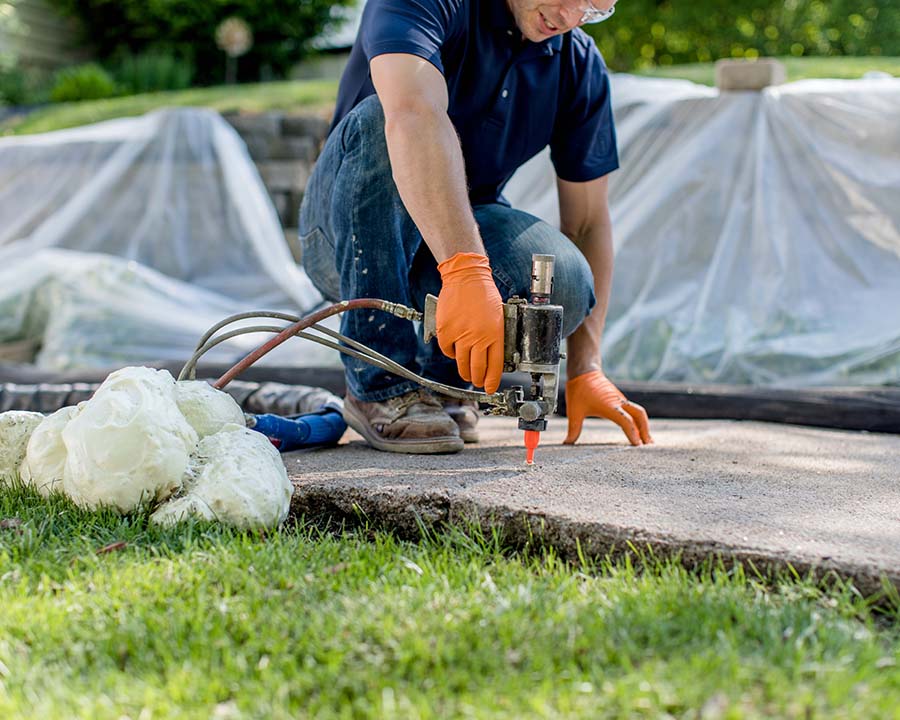
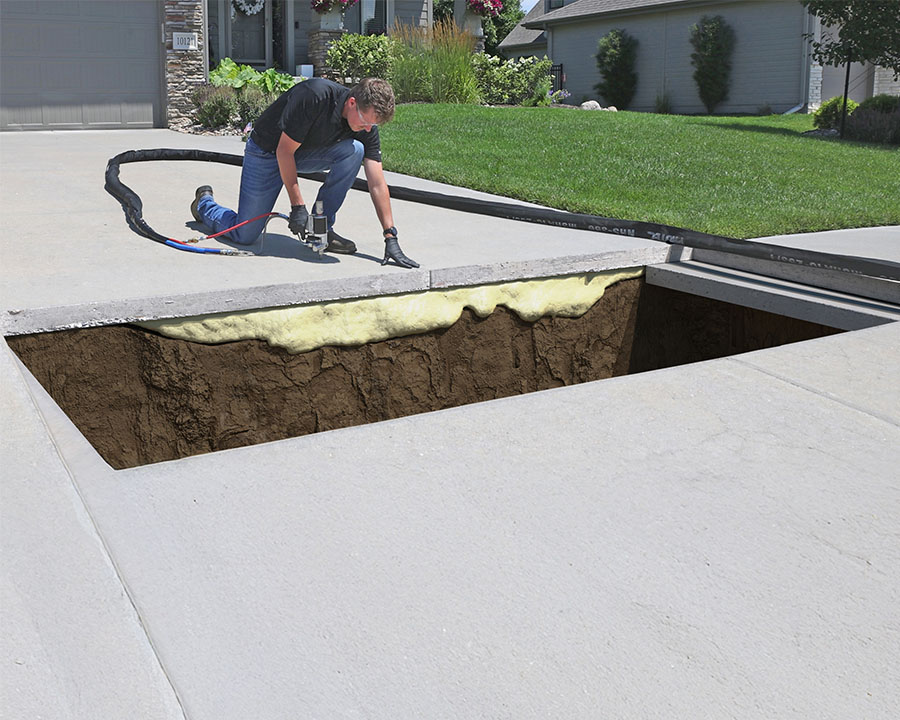
Uneven concrete is often repaired by rebuilding the support beneath the slab rather than replacing the concrete itself. With proven concrete repair solutions, Vesta Foundation Solutions lifts settled slabs, stabilizes the supporting soil and helps protect the concrete from future water intrusion. The result is a safer, more level sidewalk, driveway, patio or other concrete surface with lasting performance and minimal disruption.


How It Works
Our Concrete Leveling Process

What To Expect
Ready to get started?
Schedule a free estimate to start your repair journey with Vesta.

Schedule your inspection
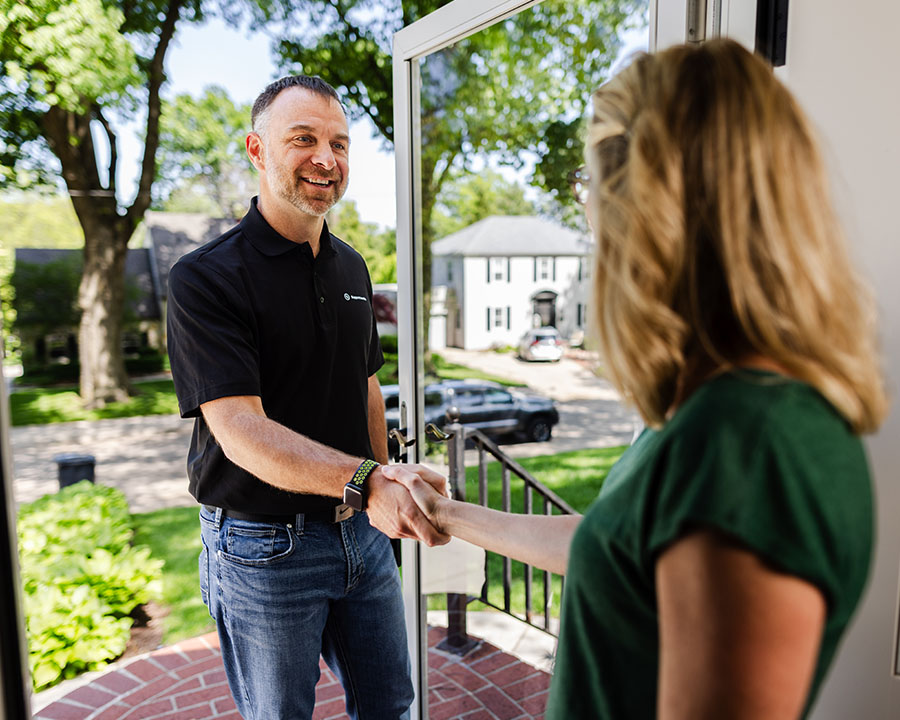
Fill out our form or give us a call to book your inspection. Share what you’ve noticed so we can send the right expert to your home.

Full home
inspection
An expert will inspect the problem area and surrounding conditions, including soil movement, drainage, structural integrity, and any related concerns.

Clear explanation
of findings
We’ll walk you through what we’re seeing in easy-to-understand language so you know the root cause of the issue, not just the symptoms.

Review recommendations
If repairs are needed, we’ll outline your options, pricing, and timeline so you can make the best decision for your home.
Schedule your free inspection—
It'll only take
a minute
Meet with a trusted expert, and get
clear answers about your home.