Wood Rot2026-10-20T09:10:18-05:00

Wood Rot: The Signs, Causes & How to Fix It

Wood rot is fungal decay that breaks down and weakens wood when excess moisture persists. If the moisture source isn't corrected, the decay can continue and affect important structural components of your home. Vesta Foundation Solutions locates the source of the moisture and recommends the right repairs.

Symptoms

What Are the Signs of Wood Rot?

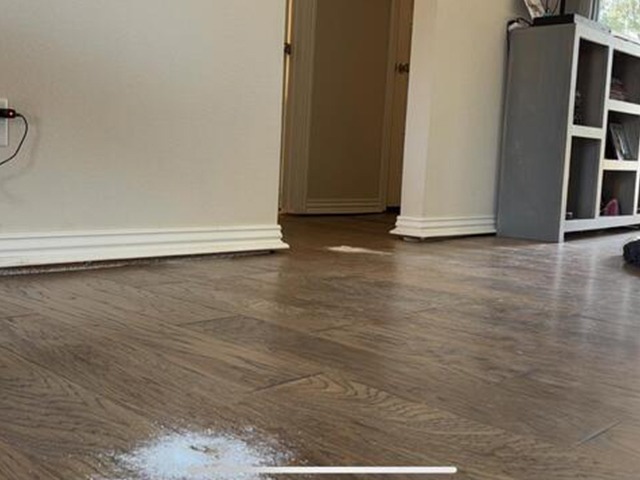
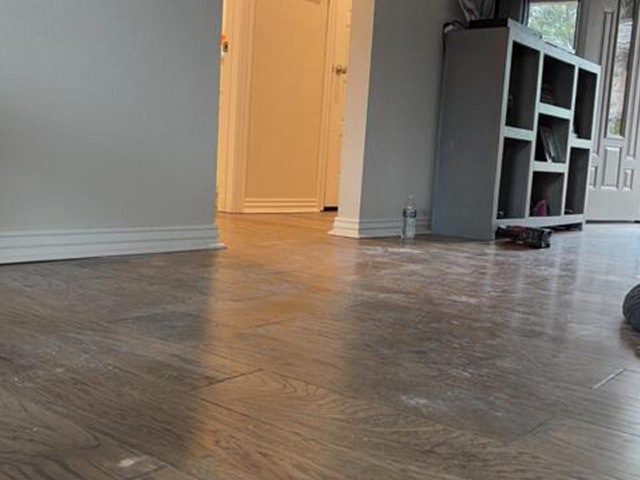
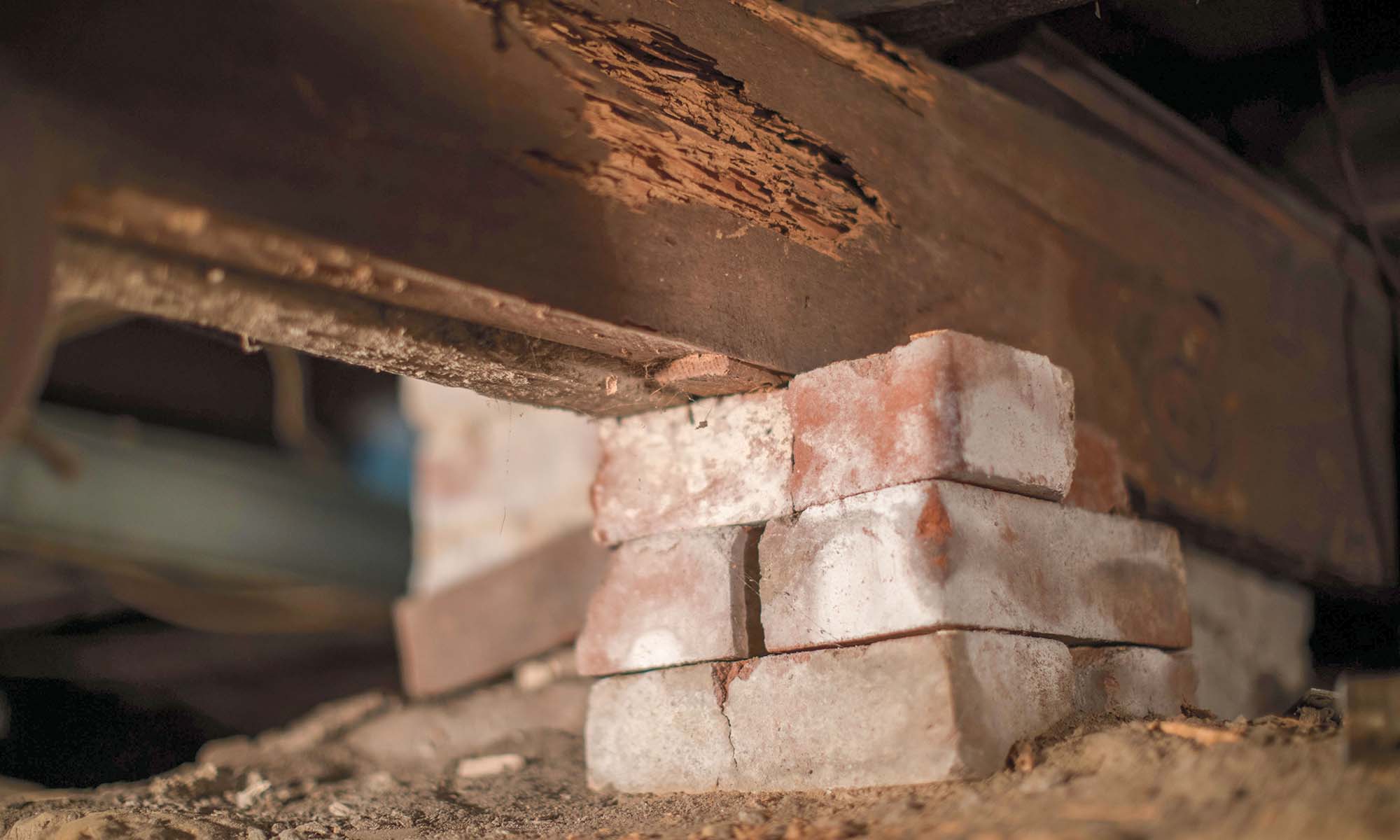
Wood rot can present differently depending on the type and extent of decay. Some signs are easy to see, while others may suggest damage hidden in floor joists, sill plates or other structural wood. If you suspect wood rot in your home, watch for these common signs:

Causes

What Causes Wood Rot?

Wood rot develops when excess moisture creates the conditions that wood-decay fungi need to grow. Wood that remains above about 20% moisture content is especially at risk. In basements and other below-grade spaces, that excess moisture commonly comes from several sources.

  • Basement Humidity & Condensation

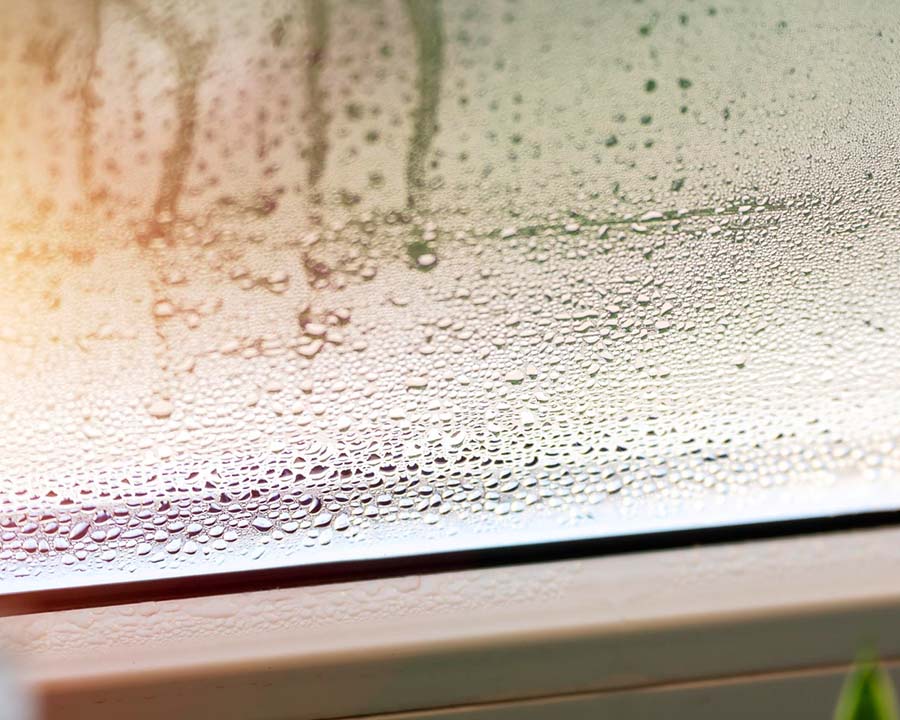
    Basements are naturally cooler than the air above them, and excess humidity can lead to condensation on wood and other surfaces. When structural wood stays damp, it creates the right conditions for wood rot.

    Condensation may not leave a visible puddle, making the source of moisture easy to miss. Persistent humidity can keep floor joists, beams, sill plates and other wood from drying fully.

  • Leaks & Water Intrusion

    Foundation seepage, plumbing leaks and water entering around basement windows or other openings can expose wood to moisture again and again. Even a small leak can lead to rot if the affected wood doesn’t dry out.

    Water can travel along framing or behind finished surfaces, so rotting wood may not always be located directly beside the visible leak.

  • Poor Drainage Around the Foundation

    Poor grading, overflowing gutters, short downspouts and inadequate drainage can cause excess water to pool around the foundation. That increases the opportunity for water and moisture to make their way into the basement.

    Problems may be more noticeable after heavy rain or snowmelt, but repeated moisture exposure can create damp conditions that persist long after the weather clears.

  • Crawl Space Moisture

    Homes with crawl spaces can run into similar problems when damp soil, standing water or high humidity subjects floor joists, beams, and sill plates to excess moisture. Because the space is usually out of sight, wood rot may develop unnoticed.

    Crawl space moisture can affect the wood supporting the floors above, which is why signs such as bouncy or uneven floors shouldn’t be ignored.

Where Does Wood Rot Occur in a Basement?

  • Floor Joists & Support Beams

    Floor joists and support beams above a damp basement can develop wood rot when high humidity, condensation or water exposure stops them from drying out. As decay continues, the wood can lose strength and may lead to sagging, bouncy or uneven floors.

  • Sill Plates Along the Top of the Foundation

    Sill plates rest directly on top of the foundation, making them susceptible to moisture around the basement perimeter. Persistent dampness can cause these important structural components to soften, deteriorate and eventually lose some of their ability to support the framing above.

  • Framing Behind Finished Basement Walls

    Wood studs and framing behind finished basement walls can be exposed to foundation leaks, seepage or condensation without being visible. Because the damage is concealed, homeowners may first notice other warning signs, such as musty odors, staining or persistent basement moisture.

How Do You Fix Wood Rot and Structural Damage?

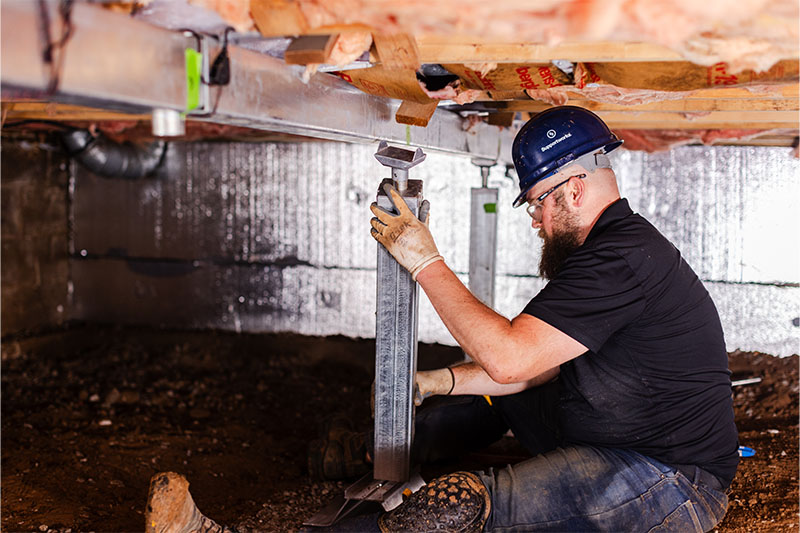
Fixing wood rot starts by resolving the moisture source and evaluating how much damage the decay has caused. Vesta Foundation Solutions can recommend the right combination of structural repair, basement waterproofing and moisture-control solutions to address both the damage and the conditions behind it.
How Can You Prevent Wood Rot?

Tips for Your Basement
Benefits

Why Homeowners Trust Vesta Foundation Solutions  

Body Copy Specific to Each Dealer

What To Expect

Ready to get started?

Schedule a free estimate to start your repair journey with Vesta.

Schedule your inspection

Fill out our form or give us a call to book your inspection. Share what you’ve noticed so we can send the right expert to your home.

Full home
inspection

An expert will inspect the problem area and surrounding conditions, including soil movement, drainage, structural integrity, and any related concerns.

Clear explanation
of findings

We’ll walk you through what we’re seeing in easy-to-understand language so you know the root cause of the issue, not just the symptoms.

Review recommendations

If repairs are needed, we’ll outline your options, pricing, and timeline so you can make the best decision for your home.

Schedule your free inspection—

It'll only take
a minute

Meet with a trusted expert, and get
clear answers about your home.

"*" indicates required fields

1Your Info
2Schedule Your Inspection
3Review & Submit

Customer Information

Don't just take our word for it

See what our customers have to say about our work.

Before & after photos

Check out before and after photos from some of our completed projects.

Find Your Local Vesta Location

Vesta Foundation Solutions of Oklahoma City and Arkansas are the experts for concrete leveling and repair, foundation repair, basement waterproofing and crawl space repair and more. We proudly service Fayetteville and all of Greater Fort Smith surrounding areas in Arkansas, Oklahoma City, Tulsa, Edmond in Oklahoma.

Frequently Asked Questions

How do I prevent wood rot in my crawl space? 2026-10-08T12:42:20-05:00

Keep crawl space wood as dry as possible by taking care of standing water, leaks, high humidity and moisture entering from the ground or foundation. Depending on the source, drainage, encapsulation, vapor barriers or dehumidification may help limit the conditions that can result in crawl space wood rot. 

Does homeowners’ insurance cover wood rot? 2026-10-08T12:41:49-05:00

Homeowners insurance coverage for wood rot depends on your policy and what caused the damage. Damage tied to a sudden, covered event may be treated differently from rot caused by long-term moisture or maintenance issues. Check your individual policy or contact your insurance provider to confirm coverage. 

How much does wood rot repair cost? 2026-10-08T12:41:22-05:00

Wood rot repair cost depends on the location and extent of the damage, the structural components involved and what is causing the excess moisture. Because every situation is different, Vesta Foundation Solutions offers a free inspection and estimate to pinpoint the problem and recommend appropriate repairs. 

Can rotted wood be repaired, or does it need to be replaced? 2026-10-08T12:40:47-05:00

It depends on the location and extent of the damage. Some affected structural components may be reinforced or repaired, while heavily deteriorated wood may need to be replaced. A professional inspection can determine the extent of the affected wood and whether additional structural support or repair is needed. 

Is wood rot the same as mold? 2026-10-08T12:40:23-05:00

No. Mold typically grows on the surface of materials, while wood rot is fungal decay that breaks down the wood itself and can weaken it over time. Both can indicate an excess-moisture problem, so locating and addressing the source of moisture is important. 

What’s the difference between dry rot and wet rot? 2026-10-08T12:39:55-05:00

Dry rot and wet rot are both types of fungal wood decay tied to excess moisture. Wet rot usually affects wood that remains persistently damp, while fungi associated with dry rot may reach beyond the area first affected. Despite their names, both point to moisture conditions that need to be addressed. 

Does wood rot spread if left untreated? 2026-10-08T12:39:27-05:00

Wood rot can continue to progress and affect additional wood as long as the moisture conditions that support fungal growth stay in place. That’s why filling, painting or covering rotted wood isn’t enough on its own; the source of the excess moisture also needs to be addressed. 

Is wood rot dangerous? 2026-10-08T12:38:27-05:00

Wood rot can be a structural concern when it weakens important components such as floor joists, support beams or sill plates. Not every instance of wood rot means your home is structurally unsafe, but damaged structural wood should be evaluated to determine how far the decay has progressed. 

What does wood rot look like? 2026-10-08T12:37:49-05:00

Wood rot can make wood look discolored, cracked, shrunken or crumbling. It may also feel soft or spongy when pressed. In a basement, examine exposed floor joists, support beams, sill plates and other wood near areas with visible moisture or high humidity. 

Related pages

Service Areas

Vesta Foundation Solutions provides service throughout Oklahoma and Arkansas.

Resources

Access valuable resources to help keep your home healthy and your family safe.

The Thrasher Promise

At Thrasher, we pride ourselves on providing permanent solutions, and stand behind our work with industry-leading, fully transferable warranties and guarantees.

Schedule your free inspection today

Don’t let unanswered questions about your
home worry you any longer.
Go to Top